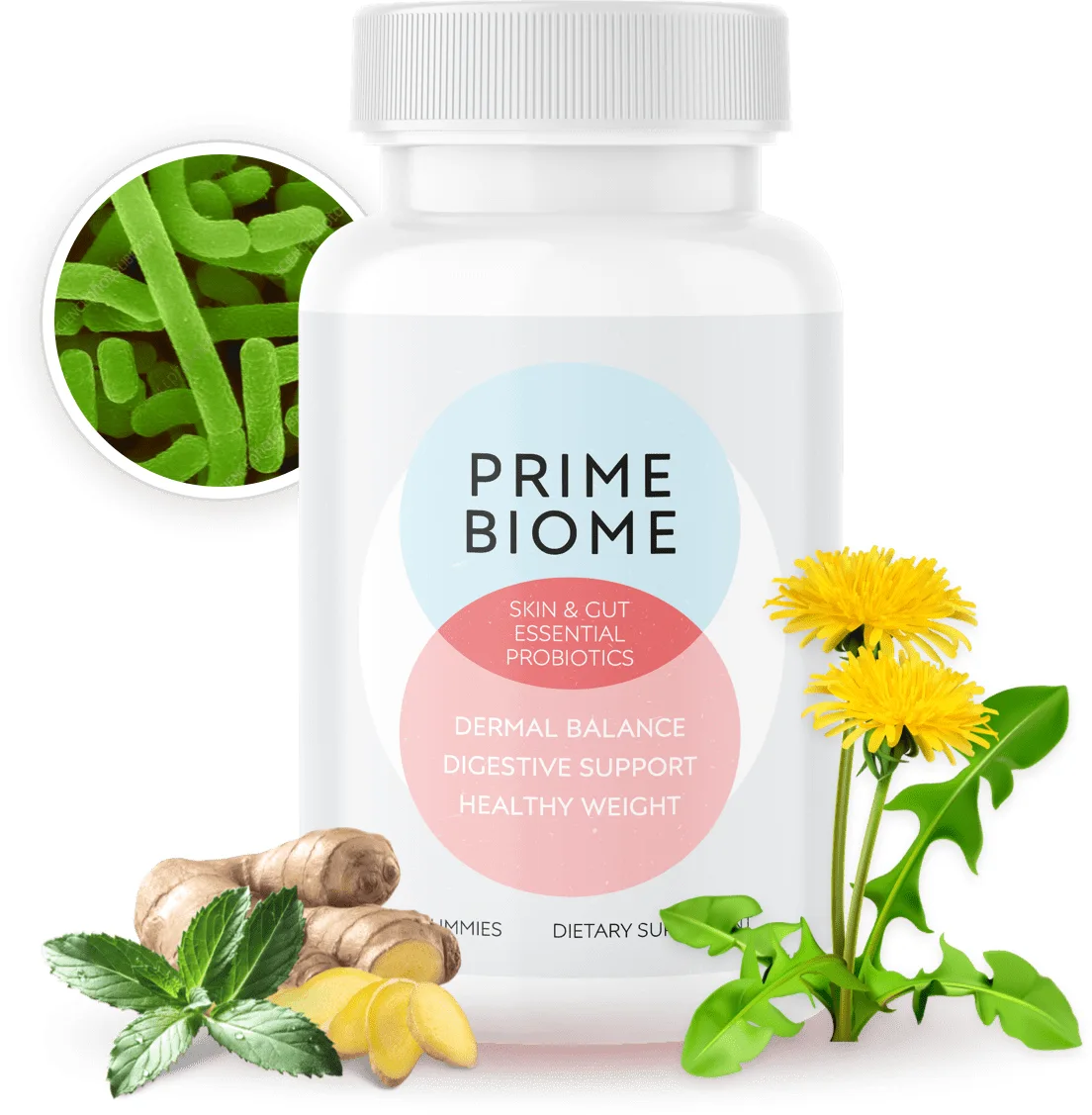
PrimeBiome appears frequently in gut health forums and supplement discussion groups, usually positioned around the idea that digestive balance has a direct influence on skin appearance. That premise is not marketing invention. The gut-skin axis is a real and growing area of research, with legitimate clinical findings behind it. The more relevant question for anyone considering this product is whether the specific ingredients justify the concept, and whether the formula holds up to a closer look.
This review goes through each ingredient with available evidence, explains what the research actually supports, and offers an honest assessment of who is most likely to benefit. The goal here is not to validate or dismiss the product outright, but to give enough specific, sourced information that a buyer can make their own informed decision.
The Gut-Skin Axis: What the Science Actually Says
The connection between gut health and skin condition is one of the more compelling areas in integrative medicine right now, not because of supplement marketing, but because the mechanistic links are increasingly well characterized.
Intestinal permeability, often referred to informally as leaky gut, allows bacterial products and inflammatory molecules to enter systemic circulation. Once circulating, these signals can activate inflammatory pathways that manifest on the skin as acne, eczema, rosacea, or accelerated aging. A 2021 review in Frontiers in Medicine examining the gut-skin axis found that dysbiosis was consistently associated with inflammatory skin conditions through these immune-mediated pathways.
The microbiome also influences sebum production, skin barrier integrity, and the inflammatory responses that drive most visible skin aging. This is a two-directional relationship: skin conditions like psoriasis and atopic dermatitis are increasingly understood as having a gut dysbiosis component, and restoring microbial balance has shown measurable effects on skin outcomes in several clinical settings.
Acne is probably the clearest everyday example of this connection. People with acne tend to show reduced gut microbial diversity compared to people with clear skin, and the proposed mechanism runs through several overlapping pathways: dysbiosis increasing intestinal permeability, which raises systemic inflammation, which in turn affects sebaceous gland activity and the skin’s own inflammatory response to Cutibacterium acnes. None of this means gut health is the primary driver of acne for everyone, since hormonal and genetic factors clearly matter as well, but it does mean the gut is a legitimate piece of the puzzle rather than an unrelated system.
The honest caveat here is that most robust evidence comes from severe or clinically diagnosed conditions. The effects in otherwise healthy adults with general skin concerns are real but more modest, and a probiotic alone is unlikely to outperform a comprehensive approach that also addresses diet, sleep, and topical skincare.
References:
- De Pessemier B, et al. (2021). Gut-skin axis: current knowledge of the interrelationship between microbial dysbiosis and skin conditions. Microorganisms, 9(2), 353. PubMed
What Is PrimeBiome
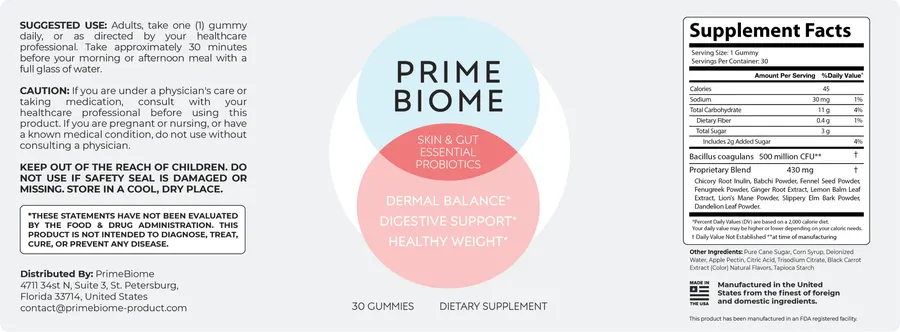
PrimeBiome is a probiotic gummy supplement designed for daily oral use without refrigeration. Each serving delivers Bacillus Coagulans alongside a blend of prebiotic fiber and botanical ingredients. The formula is produced in an FDA-registered, GMP-certified facility in the United States and is non-GMO and gluten-free.
The gummy format has a practical advantage over capsule-based probiotics: it is more consistently taken, particularly by people who have difficulty swallowing capsules. Compliance matters considerably for probiotics, where consistent daily use over weeks is necessary to see measurable microbiome shifts.
One detail worth knowing before purchasing any Bacillus Coagulans product: the clinical trials behind this strain, including the ones cited later in this review, almost universally used a dose of 2 billion CFU per day. This figure matters because PrimeBiome, like many proprietary blend supplements, does not disclose the exact CFU count or individual ingredient amounts on its label. There is nothing unusual about a company doing this, since proprietary blends are common across the supplement industry, but it does mean a buyer cannot directly compare the product’s actual dose against the dose used in the research being cited to support it. This does not invalidate the formula, but it is worth knowing as a baseline before forming expectations.
Ingredient Analysis
Bacillus Coagulans Good Evidence
The strongest ingredient in this formula by a significant margin. Bacillus Coagulans is a spore-forming probiotic that survives stomach acid and reaches the intestine intact, unlike many Lactobacillus strains that are degraded before colonization. A randomized, double-blind, placebo-controlled trial found that B. Coagulans LBSC produced statistically significant improvements in abdominal pain and bloating scores in IBS patients over 8 weeks. A 2024 multicenter, double-blind, placebo-controlled RCT involving 100 participants confirmed significant improvements in IBS severity, gastrointestinal symptom frequency, and stool consistency with B. Coagulans BCP92 over 12 weeks, with the probiotic group also showing reduced inflammatory markers and lower anxiety scores compared to control. The spore-forming mechanism is what sets this strain apart: it remains viable through the digestive process and can be formulated without refrigeration, which is relevant for a gummy format.
Inulin Good Evidence
A well-studied prebiotic fiber that selectively feeds beneficial gut bacteria, particularly Bifidobacterium and Lactobacillus species. Including inulin alongside Bacillus Coagulans is a sound formulation choice: prebiotic-probiotic combinations consistently outperform probiotics alone in colonization and microbiome diversity outcomes. Inulin also contributes to short-chain fatty acid production, particularly butyrate, which supports gut barrier integrity and reduces systemic inflammation.
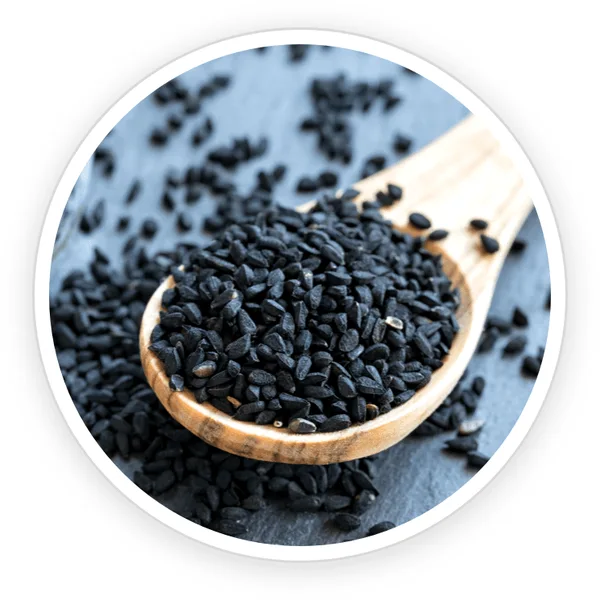
Babchi (Psoralea corylifolia) Moderate Evidence
Babchi contains bakuchiol, a meroterpenoid compound that has emerged as a natural alternative to retinol for skin applications. Multiple randomized controlled trials have evaluated topical bakuchiol against retinol for photoaging and found comparable reductions in wrinkle appearance and pigmentation with fewer irritation side effects. The relevant limitation here is that this evidence is for topical application, not oral supplementation. The systemic bioavailability of bakuchiol after oral ingestion and its skin-specific effects via this route are not yet well characterized in clinical settings. The mechanism is plausible but the oral-to-skin effect specifically requires more study.
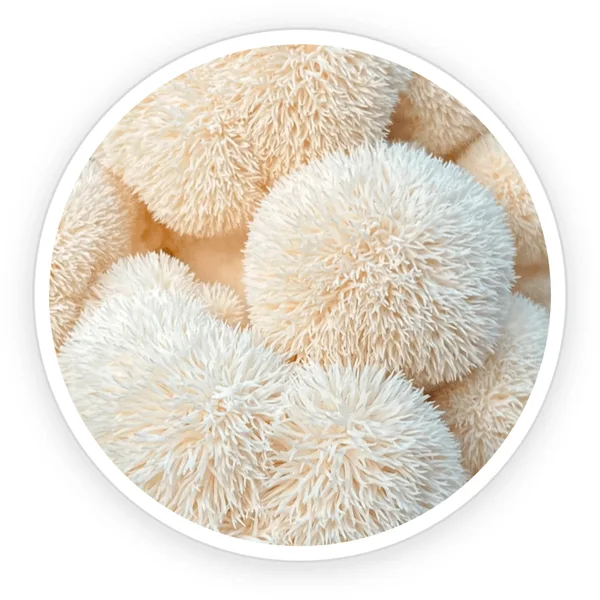
Organic Lion's Mane (Hericium erinaceus) Moderate Evidence
Lion's Mane contains hericenones and erinacines, compounds documented to stimulate nerve growth factor synthesis in vitro. Human clinical data supports cognitive benefits and anxiety reduction, and preliminary research suggests a role in supporting the enteric nervous system, which governs gut motility and the gut-brain axis. A 2010 randomized controlled trial in Biomedical Research gave 30 women Hericium erinaceus cookies for 4 weeks and found significant reductions in depression and anxiety symptoms compared to placebo. Its inclusion in a gut-skin formula is relevant primarily through the gut-brain axis and anti-inflammatory pathways rather than direct skin effects.
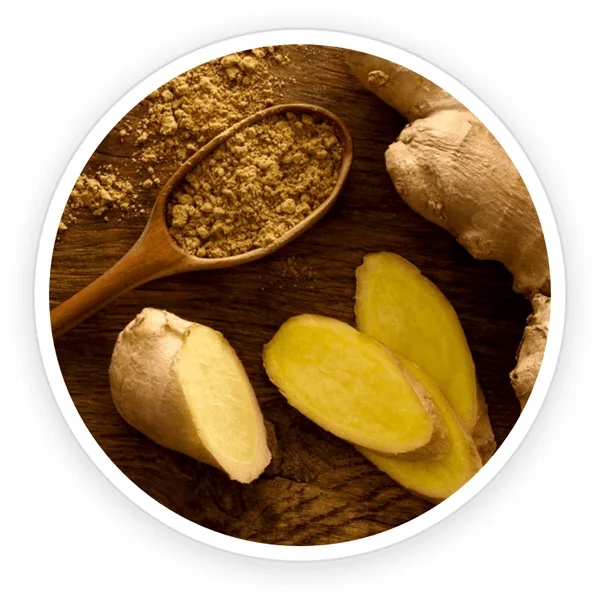
Organic Ceylon Ginger Good Evidence
Ginger is one of the better-studied anti-inflammatory botanicals in clinical medicine. Its active compounds, gingerols and shogaols, inhibit prostaglandin synthesis and reduce pro-inflammatory cytokines through mechanisms that are well characterized in the literature. A 2015 meta-analysis of randomized controlled trials confirmed ginger's efficacy for nausea, including chemotherapy-induced nausea and morning sickness. For digestive comfort specifically, ginger accelerates gastric emptying and reduces bloating. In the context of a gut-skin formula, its anti-inflammatory action is genuinely relevant to the proposed mechanism.
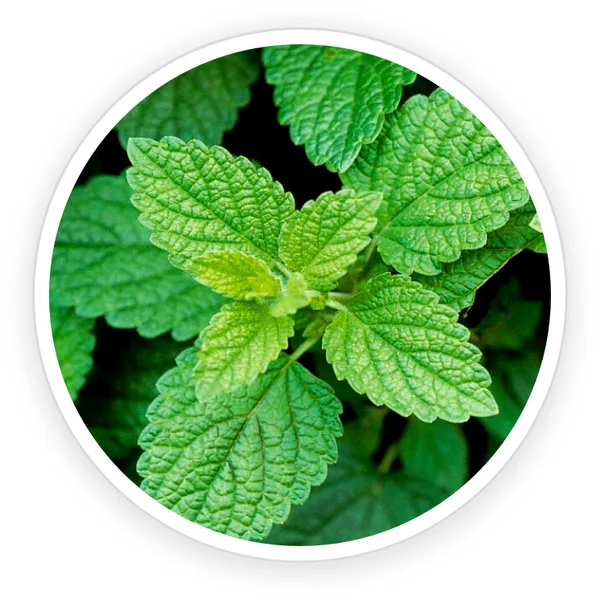
Lemon Balm (Melissa officinalis) Moderate Evidence
Lemon balm has documented anxiolytic and mild digestive effects. A 2011 open-label pilot study published in the Mediterranean Journal of Nutrition and Metabolism followed 20 adults with mild-to-moderate anxiety and sleep disturbances over 15 days of standardized lemon balm extract, finding meaningful reductions in anxiety and insomnia scores. The absence of a placebo arm in this particular trial limits how much weight it can carry on its own, though the proposed mechanism, rosmarinic acid inhibiting GABA breakdown, is well characterized. Its inclusion here is most relevant through the stress-gut connection: chronic psychological stress disrupts intestinal permeability and microbiome composition through the HPA axis, and ingredients that reduce stress burden indirectly support gut and skin health.
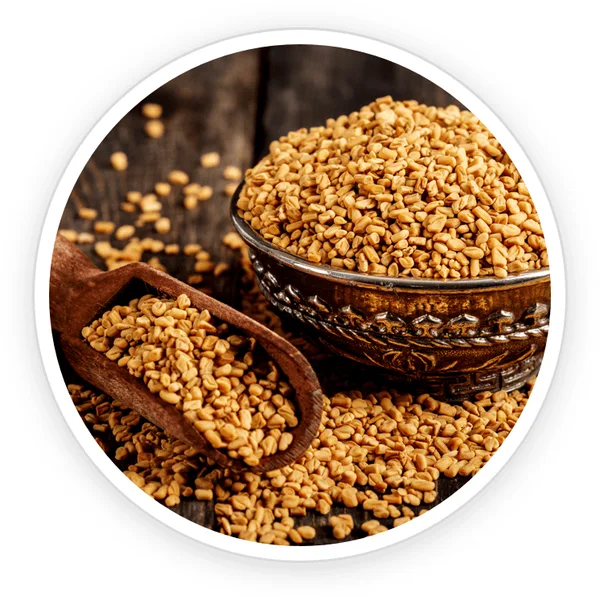
Fenugreek Moderate Evidence
Fenugreek seed fiber functions as a prebiotic. Controlled trials have found that fenugreek fiber increases satiety and reduces post-meal energy intake in a dose-dependent way, and a 2023 systematic review and meta-analysis of randomized controlled trials concluded that fenugreek supplementation meaningfully improves glycemic control markers in people with type 2 diabetes and prediabetes. Animal research has additionally shown that fenugreek shifts gut microbial composition in ways that correlate with improved metabolic markers, though large human microbiome trials specifically are still limited. Its contribution here is primarily prebiotic support alongside inulin.

Dandelion (Taraxacum officinale) Moderate Evidence
Dandelion root and leaf have traditional use as digestive bitters and have mild prebiotic properties through their inulin content. Animal studies show anti-inflammatory effects through NF-kB pathway inhibition, though robust human clinical trials for skin or gut outcomes specifically are limited. The inclusion is consistent with the formula's overall approach of supporting gut motility and reducing low-grade inflammation.
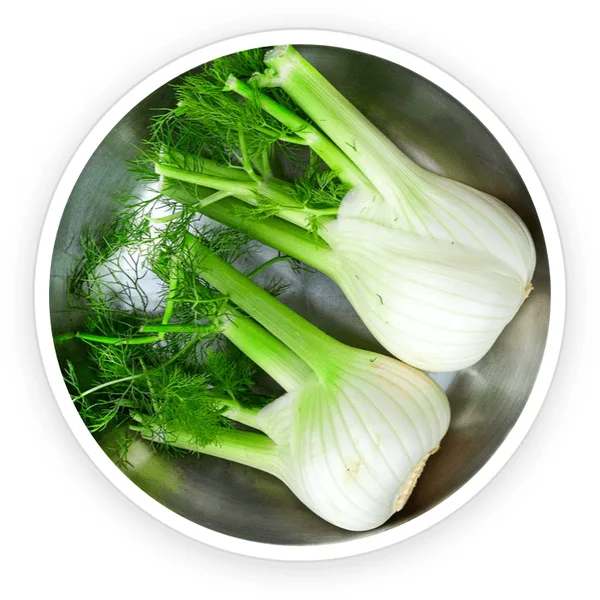
Fennel (Foeniculum vulgare) Moderate Evidence
Fennel seed is a traditional carminative with documented antispasmodic effects on gut smooth muscle, reducing bloating and intestinal cramping. A randomized, placebo-controlled trial of fennel seed oil in infants with colic found symptom relief in 65% of treated infants compared to 24% on placebo, a meaningful demonstration of its antispasmodic action on immature digestive systems. In adults, fennel tea and fennel extracts are among the better-studied botanicals for functional digestive discomfort, with documented effects on gastric motility.
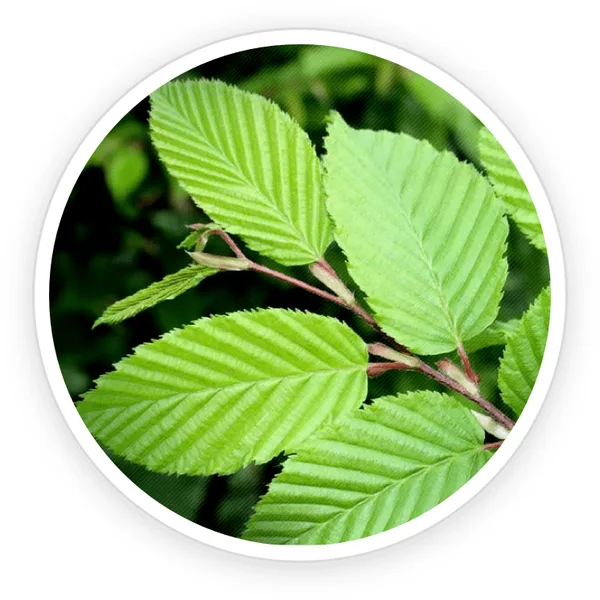
Slippery Elm Bark Limited Evidence
Slippery elm has a long history of use as a demulcent, forming a mucilaginous coating on mucous membranes that soothes irritated gut tissue. Clinical evidence specifically for slippery elm in isolation is limited: most studies involve it as part of multi-herb formulas. Its mechanism is plausible for supporting gut barrier comfort in sensitive individuals, but it is the ingredient in this formula with the least clinical validation as a standalone compound.
References:
- Gupta AK, Maity C. (2021). Efficacy and safety of Bacillus coagulans LBSC in irritable bowel syndrome: a prospective, interventional, randomized, double-blind, placebo-controlled clinical study. Medicine, 100(3), e23641. PubMed
- Shaikh SS, Kumar S. (2024). Role of Bacillus coagulans (Heyndrickxia coagulans) BCP92 in managing irritable bowel syndrome: a randomized, double-blind, multicenter, placebo-controlled clinical trial. Medicine, 103(31), e39134. PubMed
- Nagano M, Shimizu K, Kondo R, Hayashi C, Sato D, Kitagawa K, Ohnuki K. (2010). Reduction of depression and anxiety by 4 weeks Hericium erinaceus intake. Biomedical Research, 31(4), 231-237. PubMed
- Lete I, Allué J. (2016). The effectiveness of ginger in the prevention of nausea and vomiting during pregnancy and chemotherapy. Integrative Medicine Insights, 11, 11-17. PubMed
- Cases J, Ibarra A, Feuillère N, Roller M, Sukkar SG. (2011). Pilot trial of Melissa officinalis L. leaf extract in the treatment of volunteers suffering from mild-to-moderate anxiety disorders and sleep disturbances. Mediterranean Journal of Nutrition and Metabolism, 4(3), 211-218. PubMed
- Alexandrovich I, Rakovitskaya O, Kolmo E, Sidorova T, Shushunov S. (2003). The effect of fennel (Foeniculum vulgare) seed oil emulsion in infantile colic: a randomized, placebo-controlled study. Alternative Therapies in Health and Medicine, 9(4), 58-61. PubMed
- Kim J, Noh W, Kim A, Choi Y, Kim YS. (2023). The effect of fenugreek in type 2 diabetes and prediabetes: a systematic review and meta-analysis of randomized controlled trials. International Journal of Molecular Sciences, 24(18), 13999. PubMed
How Long Before You Notice Anything
This is the question most reviews skip, and it matters more than the ingredient list for setting realistic expectations.
The Bacillus Coagulans trials cited above give a genuine, evidence-based answer. The LBSC trial measured meaningful improvement at 8 weeks. The Unique IS2 trial, one of the larger studies on this strain, found measurable reduction in abdominal pain by 8 weeks as well, with response rates continuing to climb through that period rather than plateauing immediately. The 2024 BCP92 trial tracked outcomes over a full 12 weeks, and the most pronounced improvements in stool consistency and symptom frequency showed up in the second half of that window, not the first few weeks.
The practical takeaway: anyone trying PrimeBiome with the expectation of digestive change within a week or two is working from an unrealistic timeline relative to the actual research. Eight weeks of consistent daily use is closer to the minimum window the supporting trials suggest is necessary before judging whether it is working, and the 60-day money-back guarantee offered with this product aligns reasonably well with that evidence-based timeline rather than falling short of it.
Skin-related changes, to the extent they occur through the gut-skin pathway, would reasonably be expected to lag behind digestive changes rather than appear simultaneously, since the proposed mechanism runs through reduced systemic inflammation building over time rather than a direct, fast-acting topical effect.
Who Benefits Most
PrimeBiome is most appropriate for adults dealing with digestive discomfort alongside skin concerns, particularly bloating, irregular bowel habits, or gut sensitivity. The Bacillus Coagulans evidence is strongest for IBS-type symptoms, and the formula’s anti-inflammatory botanical support is genuinely relevant for people whose skin inflammation has a digestive component.
Two specific groups are worth calling out. People recovering microbiome balance after a course of antibiotics are a reasonable fit, since antibiotics disrupt gut flora broadly and a combined probiotic-prebiotic approach is a sound strategy for supporting recolonization, even though this formula was not tested specifically in that context. People whose skin flares correlate with stress, noticing breakouts or eczema worsening during high-stress periods, are also a sensible match, since the lemon balm and Lion’s Mane inclusion targets the stress-gut-skin pathway directly rather than the skin in isolation.
It is less appropriate as a standalone skincare intervention. Someone with purely cosmetic skin concerns would get more targeted results from topical products with bakuchiol or proven actives applied directly to the skin. The formula’s value is in the gut-to-skin pathway, which means digestive symptoms need to be part of the picture for the mechanism to apply.
It is also worth noting what the formula does not do: it does not treat diagnosed skin conditions like psoriasis, eczema, or rosacea, and it is not a substitute for medical dermatological care in moderate to severe cases.
Pricing and Guarantee
PrimeBiome is sold through the official website with multi-bottle bundles available. All purchases include a 60-day money-back guarantee, which is adequate time to observe whether the formula produces noticeable changes in digestive comfort, the most reliably measurable outcome given the evidence.
🌿 PrimeBiome combines clinically studied Bacillus Coagulans with prebiotic inulin and a botanical blend targeting the gut-skin axis. Produced in an FDA-registered, GMP-certified facility. 60-day money-back guarantee.
Get PrimeBiome (Official Site) →Frequently Asked Questions
Can I take PrimeBiome with other probiotics or medications? There is no documented major interaction with most medications, but anyone taking immunosuppressants or managing an existing gastrointestinal condition should check with a doctor before combining probiotics or starting a new one.
Will it cause bloating or digestive upset at first? Mild, temporary gas or bloating in the first one to two weeks is common when starting any new probiotic or prebiotic fiber, as the gut microbiome adjusts. This typically resolves on its own.
Can I take it during pregnancy or while breastfeeding? There is no specific safety data for this formula in pregnancy or lactation. Discuss any new supplement with an obstetrician first during these periods.
Does it need to be taken with food? No, the spore-forming Bacillus Coagulans strain survives stomach acid regardless of food intake, so it can be taken with or without a meal based on personal preference and consistency.
How long before I notice a difference? Based on the clinical trial durations behind the core probiotic strain, eight weeks of consistent daily use is the realistic minimum window before judging digestive effects, which aligns with the 60-day money-back guarantee.
Honest Assessment
Biomedical Assessment
The gut-skin axis is a real biological framework supported by clinical research, and PrimeBiome's core premise is scientifically defensible. Bacillus Coagulans is the genuinely well-supported ingredient here, with multiple randomized controlled trials demonstrating meaningful effects on bloating, abdominal pain, and bowel habits. The prebiotic combination of inulin and fenugreek is a sound formulation choice. Ginger brings well-characterized anti-inflammatory effects. The botanical support ingredients, dandelion, fennel, lemon balm, and slippery elm, have plausible roles in digestive comfort but more limited standalone clinical evidence. Babchi is the most interesting ingredient from a skin perspective, though the evidence base is primarily for topical application rather than oral use. The formula does not disclose individual ingredient doses, which makes precise evaluation of efficacy thresholds impossible. For people dealing with both digestive discomfort and skin concerns, particularly those linked to stress or dietary inflammation, this formula offers a reasonable evidence-based option. Expecting dramatic skin transformation from a probiotic gummy alone would be setting an unrealistic bar. Expecting meaningful improvement in digestive comfort with potential downstream skin benefits is a more realistic and scientifically grounded expectation.
One closing point worth weighing: a probiotic supplement, however well formulated, works alongside diet and lifestyle rather than instead of them. Someone eating a diet very low in fiber will get less benefit from any prebiotic-probiotic combination than someone whose existing diet already supports a diverse microbiome, simply because the bacteria delivered by a supplement still need substrate to thrive on. The realistic frame is that PrimeBiome can meaningfully support an already reasonable diet, not compensate for one that works against it.
Affiliate disclosure: links in this post may earn me a commission at no cost to you. I only feature products I consider worth your attention based on their formulation and the available scientific evidence.
This post is for informational purposes only and does not constitute medical advice. Always consult a qualified healthcare professional before starting any new supplement, particularly if you have underlying conditions or take medications.