The Derila Ergo has been appearing consistently and repeatedly across sleep health discussions and ergonomic pillow reviews, so I decided it was worth a proper look from a biomechanical and sleep science perspective. Pillow design genuinely has meaningful research behind it, which makes this a more substantive topic than most people initially expect.
Does Pillow Design Actually Matter?
The short answer, based on the peer-reviewed literature, is yes, with important nuances.
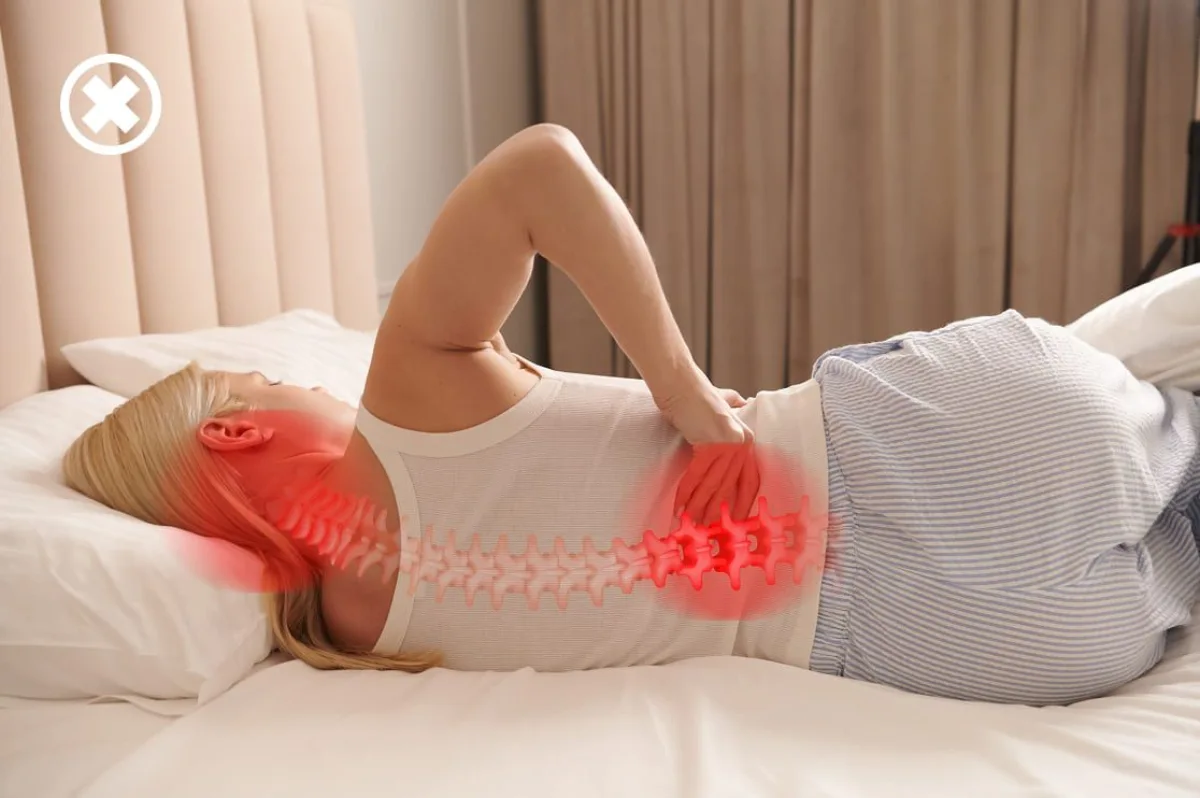
A 2021 systematic review and meta-analysis published in Clinical Biomechanics by Pang, Tsang, and Fu analyzed 35 studies on the effects of different pillow designs on neck pain, waking symptoms, neck disability, sleep quality, and spinal alignment. The meta-analysis found significant differences favoring specific pillow designs for reducing neck pain and waking discomfort, with contoured designs and appropriate support materials performing better than standard flat pillows. A 2025 systematic review published in Journal of Bodywork and Movement Therapies, covering studies from 2015 to 2024, confirmed that appropriate pillow characteristics, including contoured shape and adequate height, show moderate evidence for improving sleep quality, spinal alignment, and reducing sleep-related neck pain.
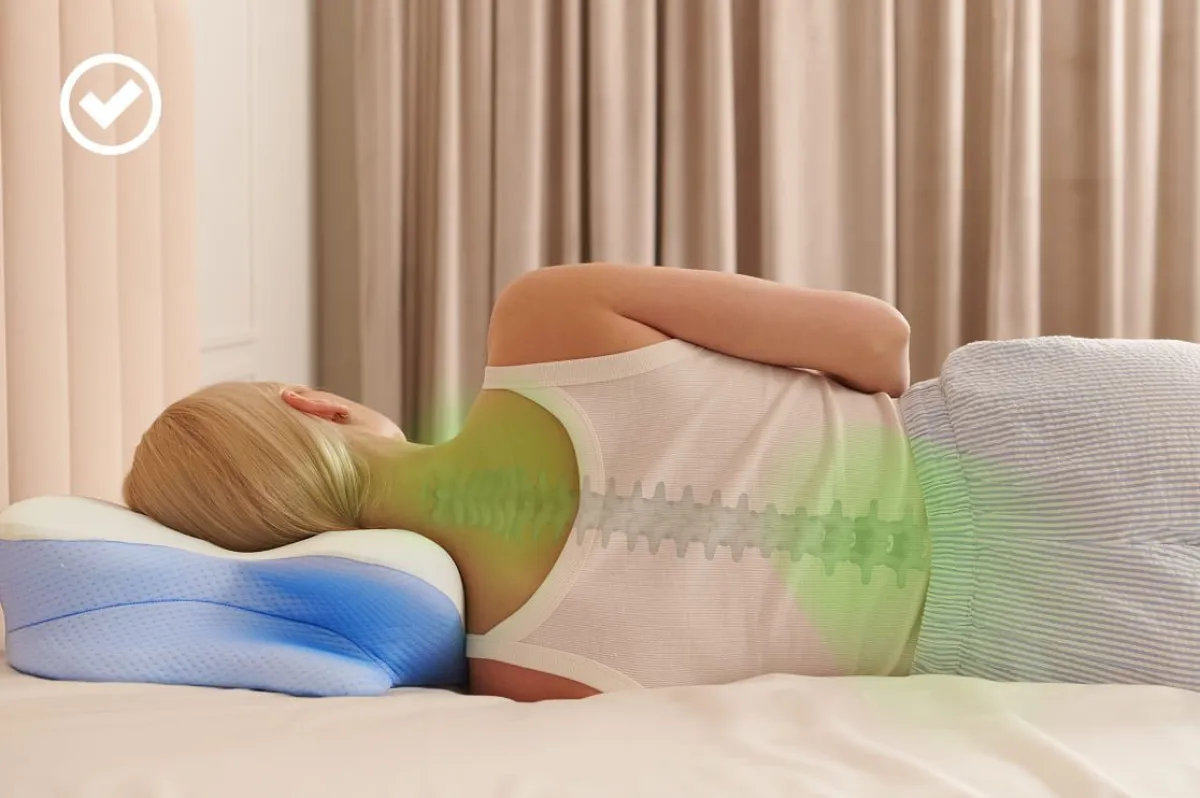
The mechanism is straightforward biomechanically. During side sleeping, the cervical spine must bridge the gap between the shoulder and the head. A pillow that is too low allows the head to drop laterally; one that is too high causes lateral flexion in the opposite direction. Both positions put sustained asymmetrical load on the cervical musculature and intervertebral discs throughout the night. A contoured design with appropriate lateral support height addresses this directly.
This matters more than most people realize, because the cervical spine spends 6 to 9 hours per night in whatever position the sleep surface creates. That duration is substantial. Asymmetrical loading repeated nightly adds up across weeks and months into patterns of muscular imbalance, trigger point formation, and joint restriction that daytime posture correction alone cannot fully address.
What Is the Derila Ergo
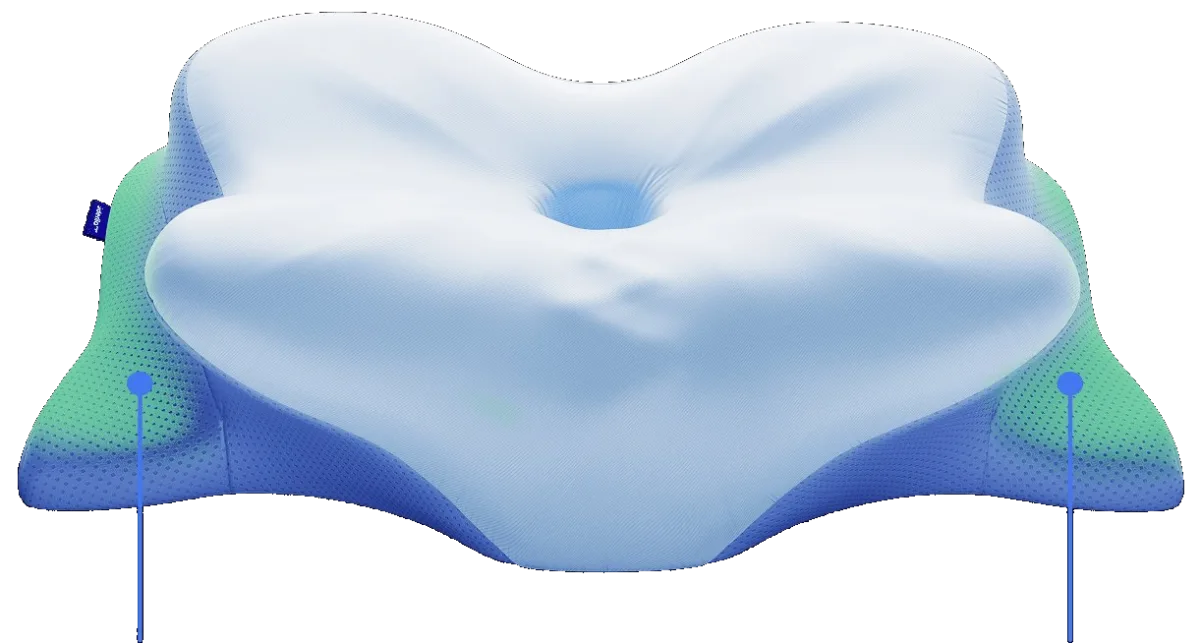
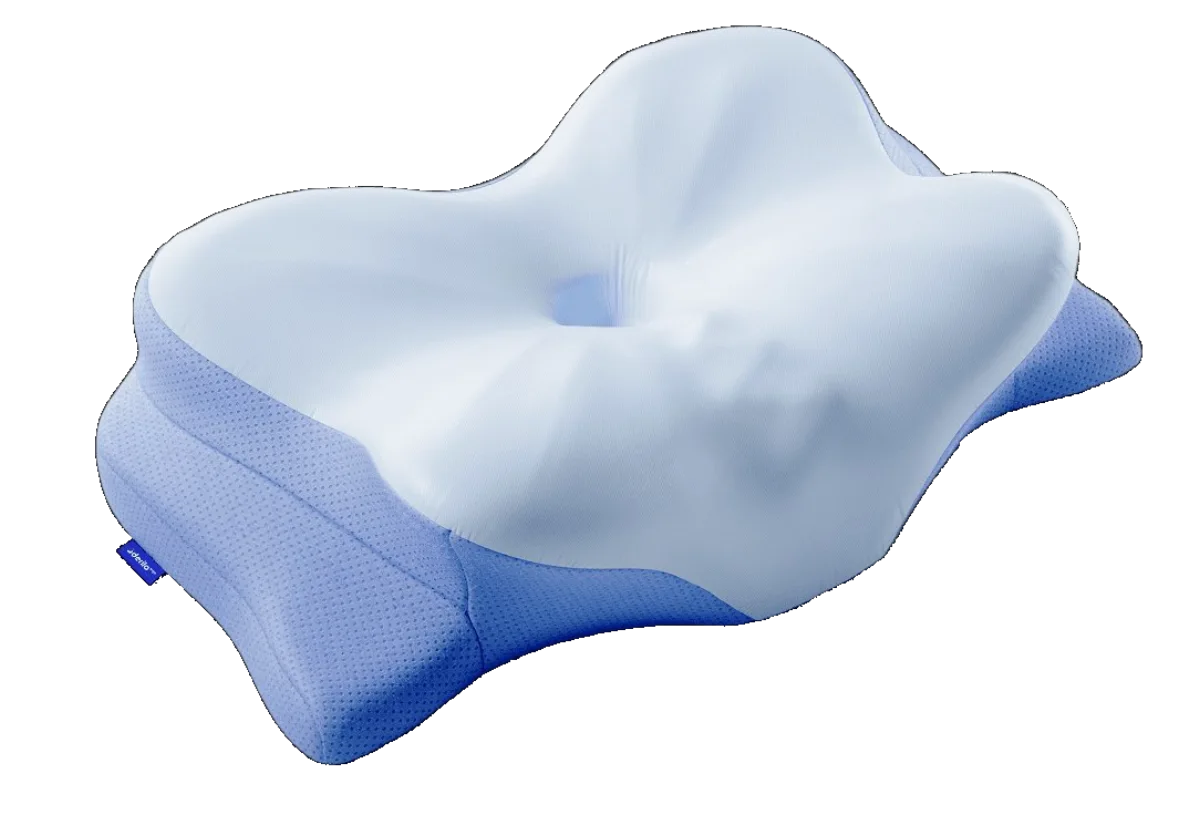
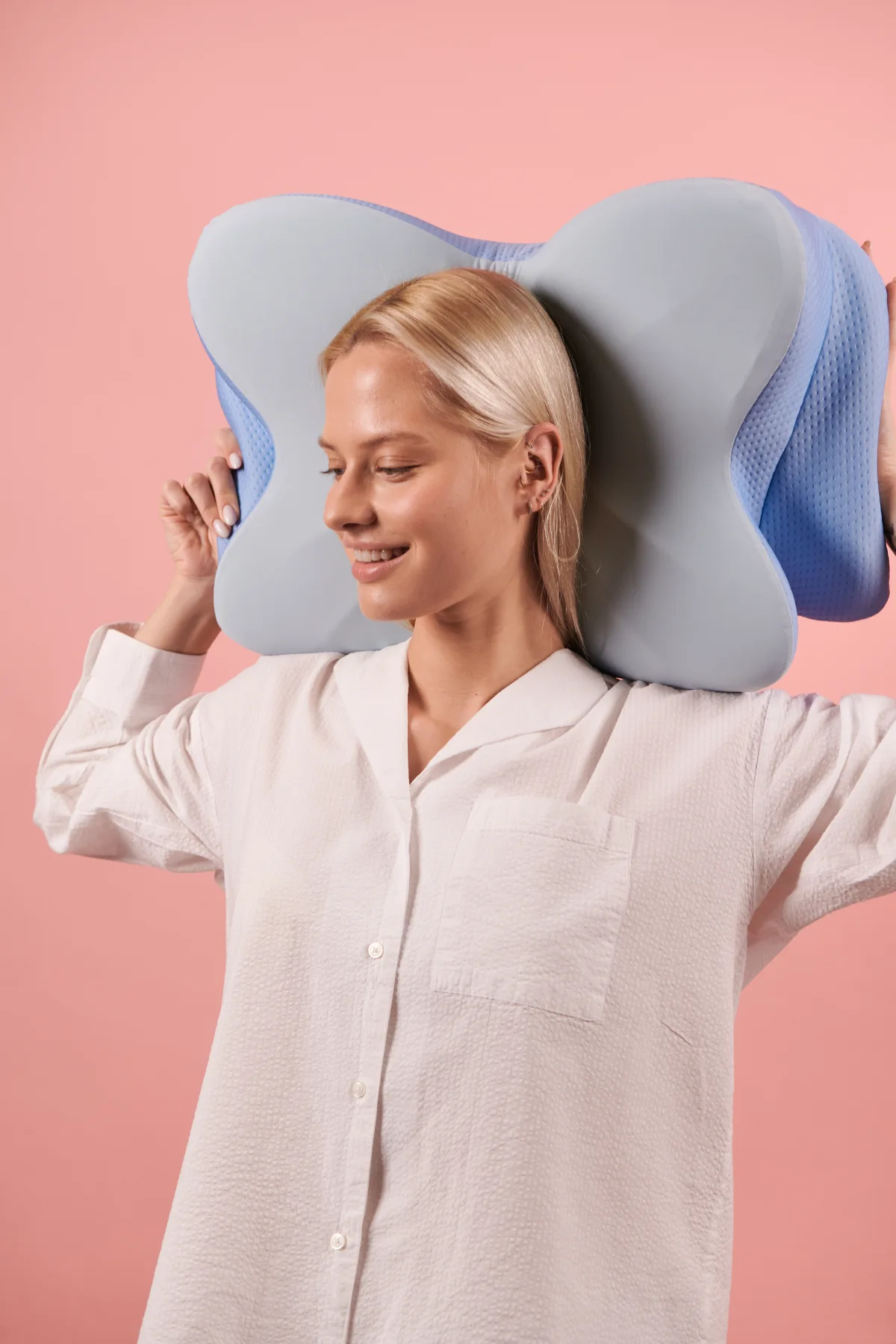
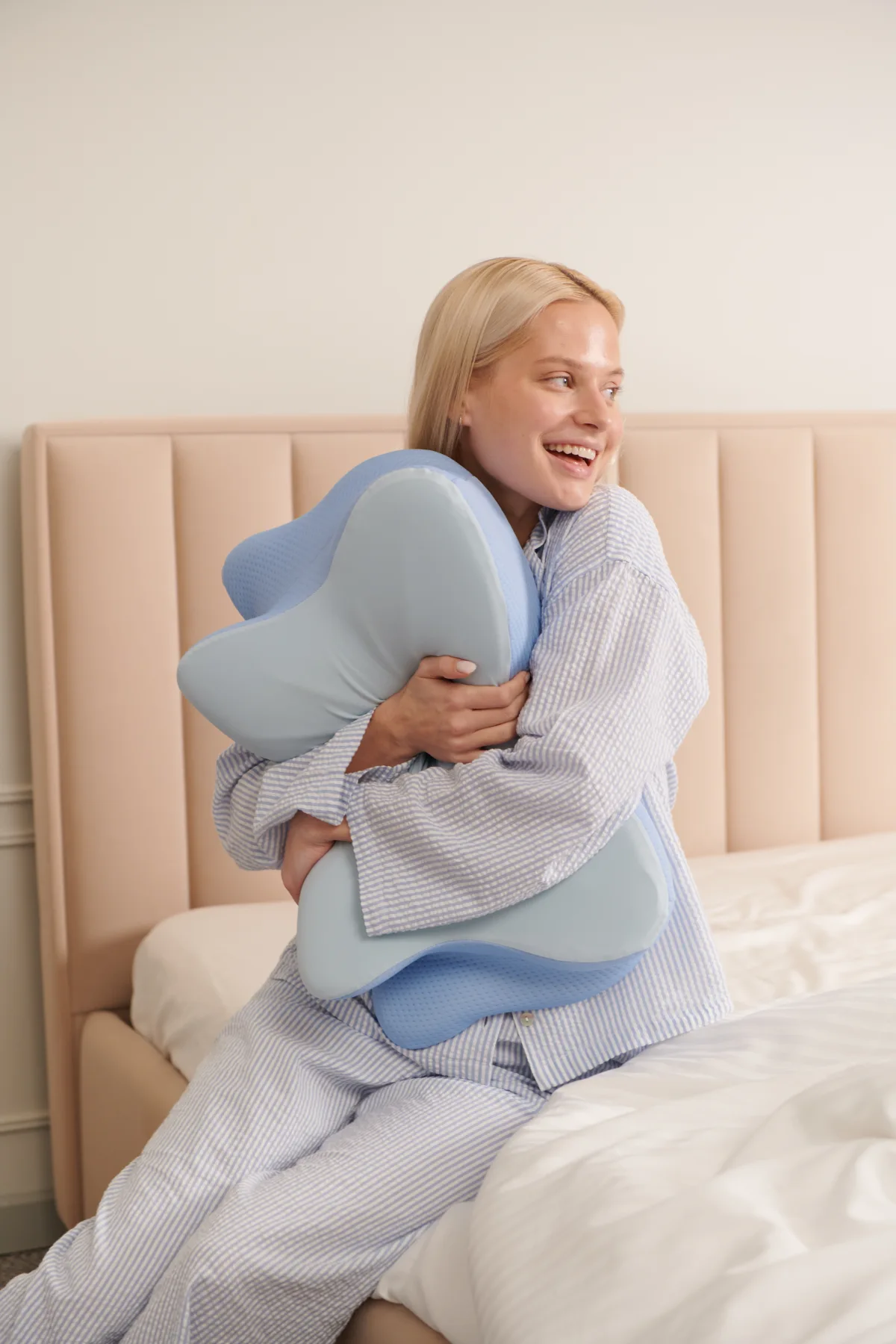
The Derila Ergo is an upgraded version of the original Derila pillow, made from high-density memory foam with a butterfly-shaped contoured design. Its key structural features include lateral wings that accommodate side sleepers at the correct cervical height, a central recessed zone for back sleepers that maintains neutral head position, and a hand-rest area built into the contour that allows natural arm positioning, which reduces shoulder tension for people who sleep on their sides.
How Memory Foam Works: The Material Science
Understanding why memory foam behaves differently from polyester fill or latex requires a basic look at the material properties.
Memory foam, technically known as viscoelastic polyurethane foam, is temperature-sensitive and responds to both heat and pressure simultaneously. When you lie on it, body heat softens the foam locally, allowing it to conform to the shape of the contact surface. This conforming behavior distributes the weight of the head (typically 4.5 to 5 kg in adults) across a larger surface area, reducing peak pressure at any single point compared to a firmer, non-conforming material.
The viscoelastic property also means that the foam returns to its original shape slowly when pressure is removed. This is functionally useful during sleep: when you shift position, the pillow gradually adjusts rather than springing back immediately. The result is less disturbance during position transitions, which matter for sleep continuity.
High-density memory foam, as used in the Derila Ergo, maintains its structural integrity over a longer period than low-density alternatives. Lower-density foams compress and lose their contour support over months of use, which is why many ergonomic pillows that start well become ineffective within a year. The density specification is worth checking when comparing products in this category.
In practical terms, foam density is typically measured in kilograms per cubic meter, and the difference matters more than most buyers realize. Foams below roughly 50 kg/m³ are considered low-density and tend to flatten noticeably within 6 to 12 months of nightly use, losing the contour height that makes the design effective in the first place. Mid- to high-density foams in the 60 to 90 kg/m³ range maintain their shape considerably longer, often two to three years or more of nightly use before meaningful degradation. This is also why an ergonomic pillow that performs identically to a cheaper alternative when both are new can diverge significantly in effectiveness after a year, a difference that is invisible at the point of purchase but becomes very apparent in long-term comfort and alignment support.
The breathability design in the Derila Ergo addresses one of the historical criticisms of memory foam: heat retention. Dense foam with poor airflow can raise local scalp and neck temperature over the course of a night, which works against the natural thermoregulatory drop in core body temperature that facilitates deep sleep stages. Open-cell or perforated foam structures allow heat to dissipate more effectively.
The Science Behind the Design Choices
Memory foam and spinal alignment. A 2022 randomized study published in Frontiers in Medicine found that memory foam pillows produced statistically significant reductions in snoring events (47%) and duration compared to generic laboratory pillows in patients with obstructive sleep apnea, attributed to better head and neck positioning. The same study measured improvements in oxygen desaturation index, suggesting that cervical positioning during sleep has meaningful consequences beyond just comfort.
Contoured versus standard design. The systematic review by Pang et al. found that contoured pillow designs with higher lateral zones for side sleepers and lower central zones for back sleepers consistently outperformed flat designs in spinal alignment outcomes. The biomechanical rationale is well-established: the contour matches the natural anatomy of the head-neck-shoulder complex in lateral position.
Breathable foam and muscle recovery. Heat accumulation in standard foam pillows raises local skin temperature, which impairs parasympathetic nervous system activity and reduces deep sleep quality. The breathable foam construction in the Derila Ergo addresses this through improved airflow, which the research links to better muscle relaxation and more restorative sleep cycles.
Side and Back Sleeper Performance
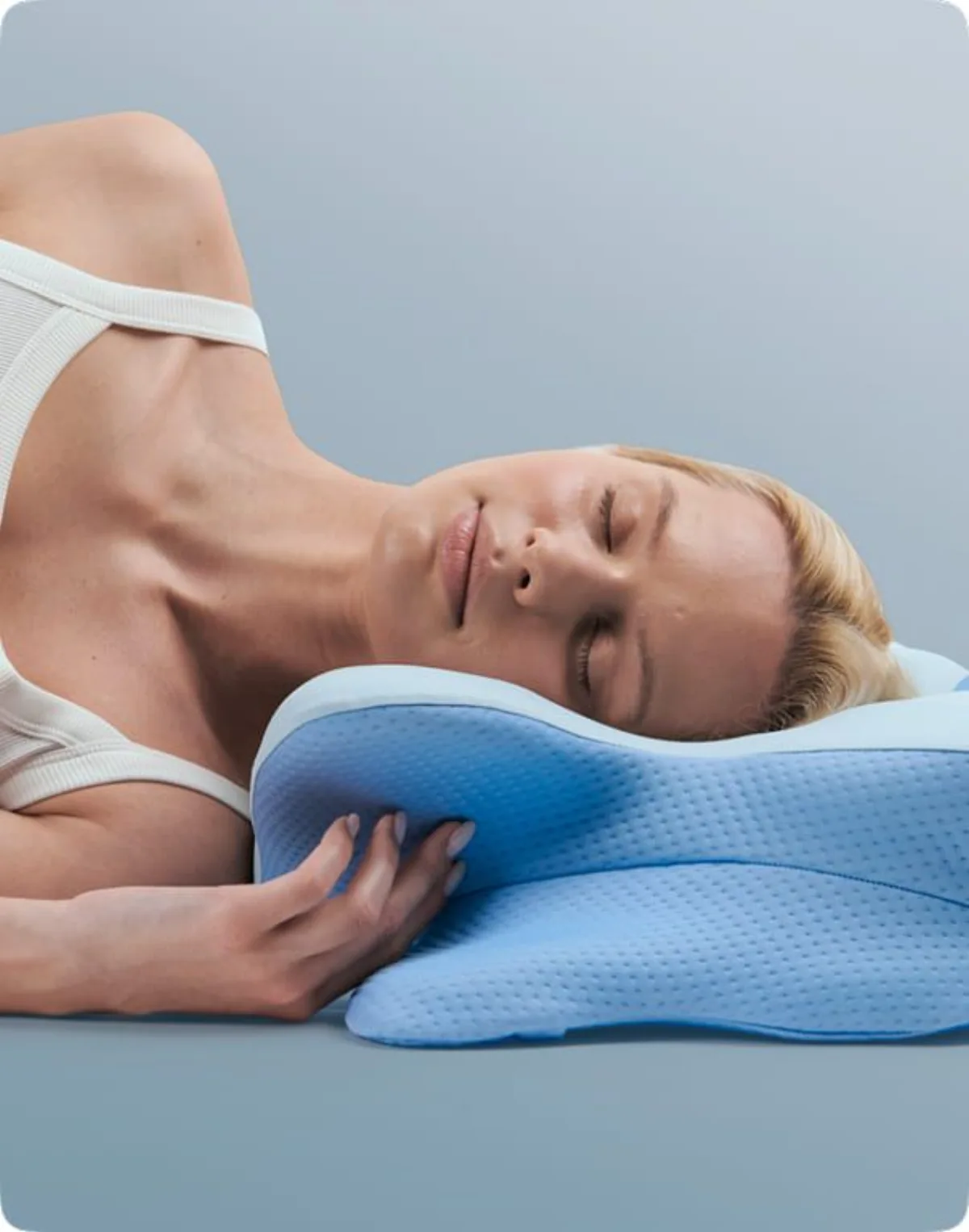
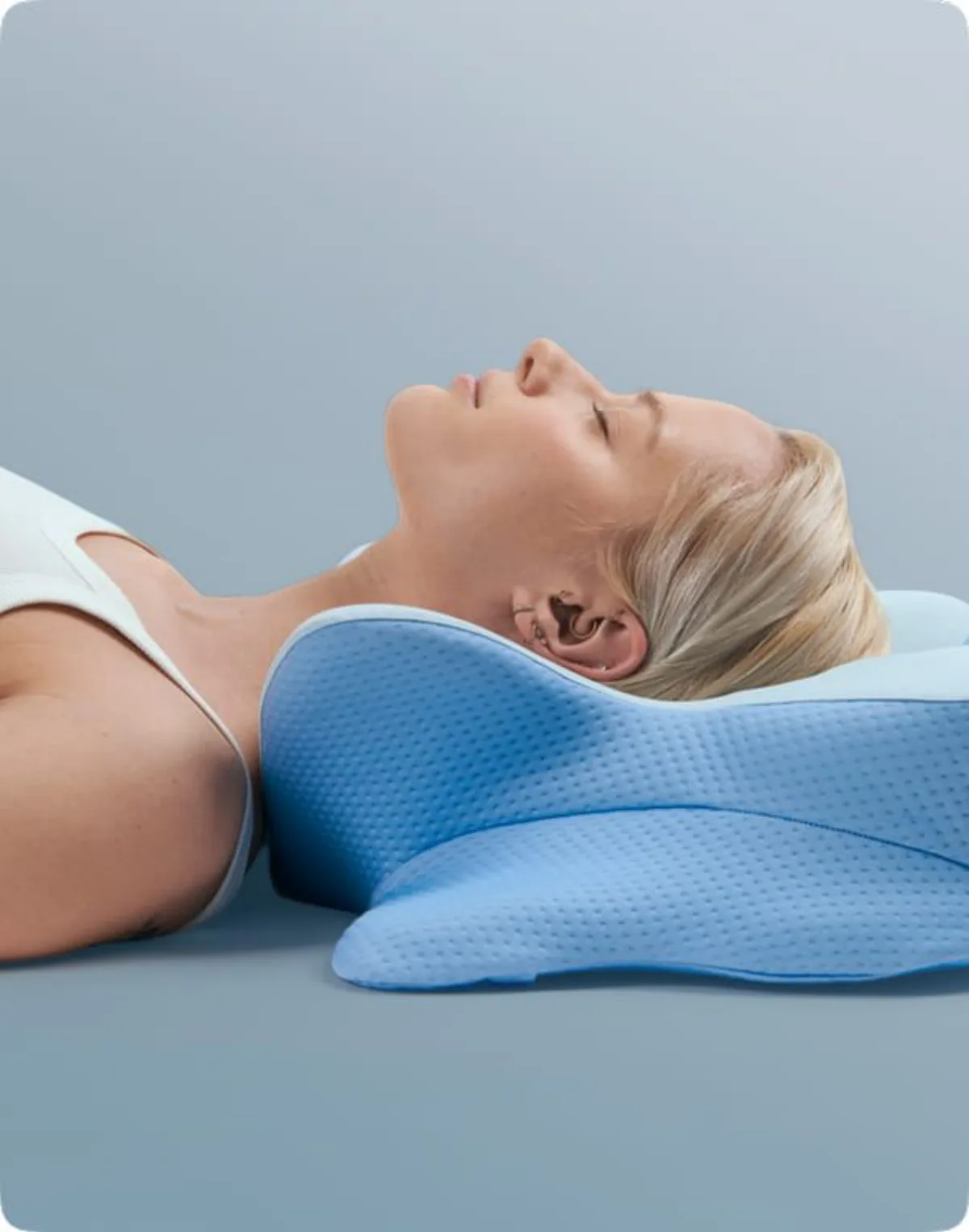
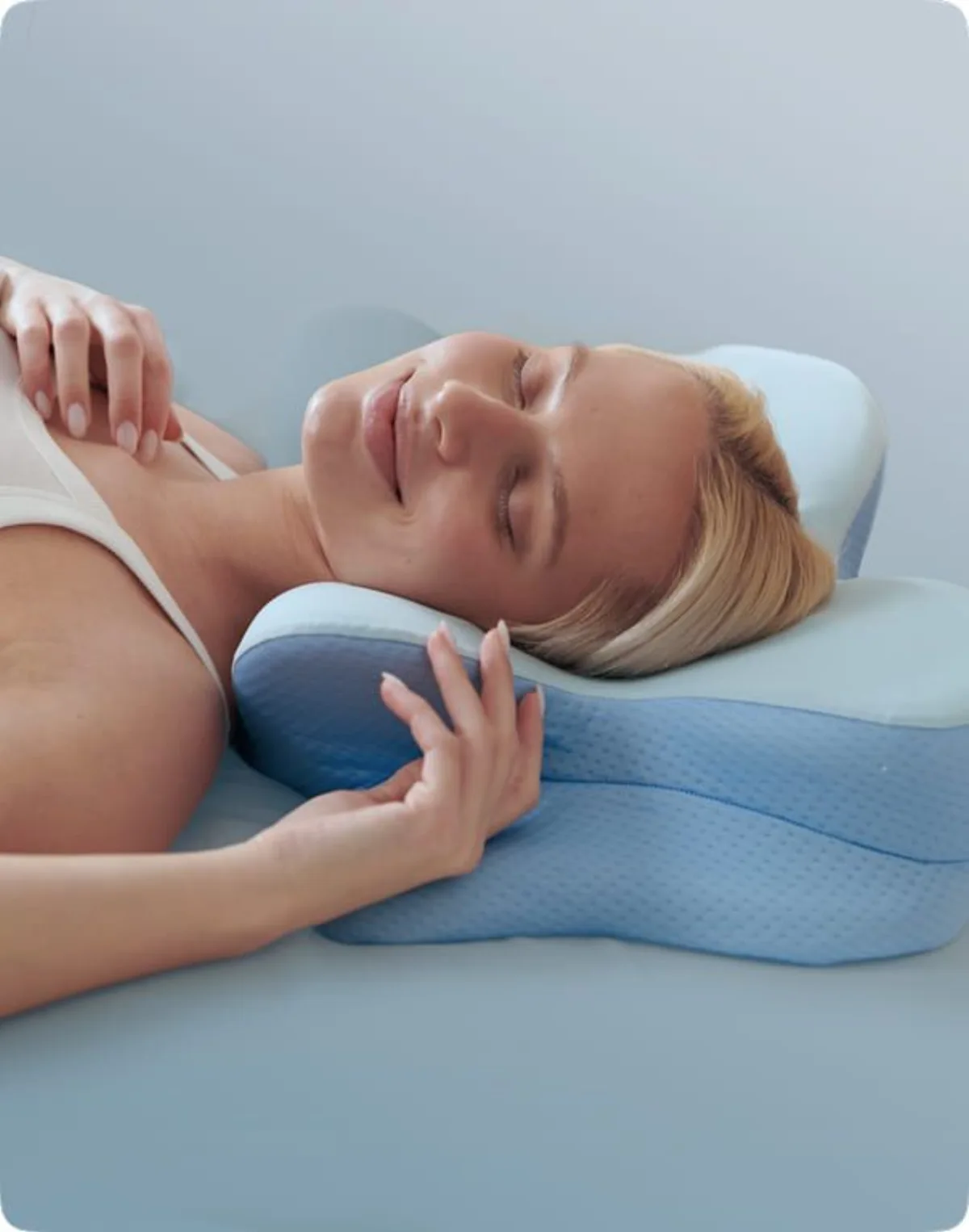
Roughly 60% of adults are side sleepers, making this the most common sleep position by a significant margin. For this group, pillow height is the single most important mechanical variable. The ideal pillow height for a side sleeper equals the distance from the neck to the edge of the shoulder, a measurement that varies with body build. Broader-shouldered individuals typically need more lateral height; narrower-shouldered individuals need less. The Derila Ergo’s fixed contour addresses the average, which will suit most people but not every body type.
The Adaptation Period
A point that deserves more attention in ergonomic pillow reviews is the adaptation period. When switching from a standard pillow to a contoured design, most people experience some degree of unfamiliarity in the first week. This is normal and not a signal that the pillow is wrong for them.
Muscles that have been habitually holding the cervical spine in a slightly off-neutral position will have adapted to that position over months or years. Correcting that alignment puts different demands on those muscles, which can produce temporary stiffness or mild discomfort, particularly in the upper trapezius and suboccipital muscles, in the first few days.
The clinical guidance from physiotherapy research on cervical pillow adaptation recommends giving a new ergonomic pillow at least two weeks before drawing conclusions. Most people who persist through the initial adjustment period report significant improvement by the end of the second week. Those who switch back after two or three nights are abandoning the product before the body has had time to adapt, which is one of the main reasons people report inconsistent outcomes with ergonomic pillows as a category.
A useful way to think about this transition: the same logic applies to orthotic shoe inserts or a new ergonomic office chair, both of which also tend to feel slightly unfamiliar in the first days before the body recalibrates to better alignment. The discomfort during adaptation is rarely a sign that the new support is wrong; more often, it is a sign that the previous, unsupported position had become the body’s default, and correcting it requires a short adjustment period.
Product Overview
Who Benefits Most
The research evidence is clearest for people who wake with morning neck stiffness, headaches, or shoulder tension that improves during the day. This pattern strongly suggests that sleep posture, rather than activity or structural damage, is the primary driver, and that is precisely the profile where pillow design intervention has shown the most consistent benefit in clinical trials.
It is also relevant for people who snore or have mild obstructive sleep apnea. The 2022 Frontiers in Medicine study found that correct head positioning through appropriate pillow support meaningfully reduced snoring events, which has downstream effects on sleep quality for both the sleeper and anyone sharing the space.
People who work desk jobs or spend extended periods looking at screens may particularly benefit. Sustained forward head posture during the day loads the posterior cervical structures and can create trigger points in the suboccipital and upper trapezius muscles that are then not adequately decompressed during sleep if the pillow does not support neutral alignment. The combination of daytime posture demands and night-time misalignment is a common pattern in people with chronic cervicogenic headaches.
The product is a poor fit for stomach sleepers, whose cervical alignment requirements are incompatible with any contoured side-and-back design, and for people with severe structural cervical pathology that requires medical or physiotherapy intervention beyond what any pillow can provide.
Additional Video
The Sleep Environment: Temperature, Light, and Position Together
A pillow addresses one dimension of the sleep environment, but its effectiveness is always contextual. Three variables interact directly with pillow performance and sleep quality, and they are worth addressing alongside any pillow upgrade.
Room temperature is the most physiologically significant. Core body temperature must drop approximately one to two degrees Celsius to initiate and maintain sleep. A room temperature between 17 and 20 degrees Celsius supports this process. A pillow with breathable construction, as in memory foam designed for airflow, reduces heat accumulation at the head, contributing to the required temperature gradient.
Light exposure before bed delays melatonin onset by up to 90 minutes when screens are used in the hour before sleep. The quality of sleep you experience on any pillow depends substantially on having enough melatonin to reach and sustain the deeper stages of sleep architecture. A sleep mask that fully blocks ambient light, particularly for people sleeping near streetlights or with variable morning schedules, can meaningfully extend REM sleep duration.
Sleep position consistency affects how well any contoured pillow performs. The Derila’s ergonomic profile is calibrated for side and back positions. Shifting between positions during the night, or starting in one and migrating to another, reduces the alignment benefits. Most people find that positioning cues, such as a body pillow alongside or a specific side they consistently start on, help maintain the intended position through the night.
Pillow hygiene and cover maintenance is a practical variable that gets overlooked. Memory foam itself generally cannot be machine washed without damaging its cell structure, so a removable, washable outer cover is what actually determines how manageable long-term hygiene will be. Dust mites, accumulated skin oils, and moisture from perspiration build up in any pillow over time regardless of material, and a washable cover that can be cleaned every one to two weeks addresses this directly without compromising the foam core’s structural properties. This is a minor-seeming detail that meaningfully affects both product longevity and, for people with allergies, daytime nasal congestion that can otherwise be mistakenly attributed to unrelated causes.
Frequently Asked Questions
How do I clean the Derila Ergo? The memory foam core itself should never be machine washed or fully submerged, since this damages the cell structure permanently. Remove and wash the outer cover according to its care label, and spot-clean the foam itself with a damp cloth and mild soap if needed, allowing it to air dry fully before use.
Will it smell when I first open it? A mild off-gassing odor from new memory foam is common and typically dissipates within 24 to 48 hours of unboxing and airing out in a ventilated room. This is a normal characteristic of memory foam products generally, not specific to this pillow.
Can stomach sleepers use this pillow? The contour is specifically designed for side and back sleeping positions. Stomach sleeping with a contoured pillow of this height can create neck strain, so this product is not recommended for primarily stomach sleepers.
How firm is the memory foam compared to a standard pillow? It is noticeably firmer initially than a standard polyester or down pillow, which is intentional, since the firmness is what maintains the contour shape supporting cervical alignment. This is also why the two-week adaptation period matters.
When should I replace it? High-density memory foam of this type typically maintains effective support for two to three years of nightly use. A loss of the contour height or visible permanent compression are signs it is time to replace it.
Honest Assessment
Biomedical Assessment
The core claim of the Derila Ergo is well-supported by biomechanical and sleep research: contoured pillow designs with appropriate lateral support height consistently outperform standard flat pillows for cervical alignment, morning neck pain, and in some cases snoring. Memory foam with breathable construction adds evidence-based benefits for temperature regulation and pressure distribution. The design addresses real, documented mechanical problems with standard sleep surfaces. It will not help people whose neck pain has structural causes unrelated to sleep posture, and stomach sleepers are not the intended user. For side and back sleepers with morning stiffness or sleep-related neck discomfort, this is a well-reasoned product with the right design features.
References:
- Pang JCY, Tsang SMH, Fu ACL. (2021). The effects of pillow designs on neck pain, waking symptoms, neck disability, sleep quality and spinal alignment in adults: a systematic review and meta-analysis. Clinical Biomechanics, 85, 105353. PubMed
- Stavrou VT, Koutedakis Y, Astara K, Vavougios GD, Papayianni E, Stavrou IT, Bardaka F, Pastaka C, Gourgoulianis KI. (2022). Memory foam pillow as an intervention in obstructive sleep apnea syndrome: a preliminary randomized study. Frontiers in Medicine, 9, 842224. PubMed
- Radwan A, Ashton N, Gates T, Kilmer A, VanFleet M. (2021). Effect of different pillow designs on promoting sleep comfort, quality and spinal alignment: a systematic review. European Journal of Integrative Medicine, 42, 101269. DOI
🛏️ Derila Ergo combines a butterfly contoured design with high-density breathable memory foam to support cervical alignment for both side and back sleepers, addressing the mechanical root cause of sleep-related neck stiffness.
Get Derila Ergo (Official Site) →Affiliate disclosure: links in this post may earn me a commission at no cost to you. I only feature products I consider worth your attention based on their design and the available scientific evidence.
This post is for informational purposes only and does not constitute medical advice. Always consult a qualified healthcare professional if you have chronic neck pain or a diagnosed cervical condition.