Most people think of the gut as a digestive tube. Food goes in, waste comes out, and somewhere in between, nutrients get absorbed. That model is not wrong, but it leaves out the part that has reshaped how biomedical researchers think about chronic disease, mental health, immunity, and aging.
Living inside your gut right now are approximately 38 trillion microorganisms (bacteria, fungi, viruses, and archaea) collectively known as the gut microbiome. They outnumber your own human cells and carry roughly 150 times more genes than your entire genome. For most of medical history, these microorganisms were considered passengers at best and threats at worst. The science of the past two decades has fundamentally overturned that view.
What we now understand is that the gut microbiome is not just tolerated by the body. It is actively essential to human health in ways that extend far beyond digestion, and disrupting it has consequences that most conventional medicine is still catching up to.
What the Microbiome Actually Does
The gut microbiome performs functions your body simply cannot perform on its own.
It breaks down dietary fiber into short-chain fatty acids, particularly butyrate, propionate, and acetate. These compounds are the primary energy source for the cells lining your colon, and they do considerably more than fuel local tissue. Butyrate, in particular, reduces systemic inflammation, regulates immune function, and helps maintain the integrity of the gut barrier that keeps bacteria and their byproducts from leaking into your bloodstream.
The microbiome also synthesizes vitamins your body cannot produce independently, including vitamin K and several B vitamins, and it trains your immune system from early life onward. Approximately 70% of your immune cells reside in or around the gut, and the composition of your microbiome directly influences how those cells behave, both locally and throughout the body.
One finding that still surprises people when they first encounter it: your gut produces approximately 90% of the body’s serotonin. Not your brain. Your gut. That single fact helps explain why the state of your microbiome is so consistently associated with mood, anxiety, and cognitive function.
References:
- Sender R, et al. (2016). Revised estimates for the number of human and bacteria cells in the body. Cell, 164(3), 337-340. PubMed
- Cryan JF, et al. (2019). The microbiota-gut-brain axis. Physiological Reviews, 99(4), 1877-2013. PubMed
The Gut-Brain Connection
The relationship between your gut and your brain is more intimate than most people realize, and the signaling runs in both directions.
The vagus nerve, the longest cranial nerve in the body, runs directly from the brainstem to the gut. Roughly 80% of the signals traveling through it go upward, from gut to brain, not the other way around, a ratio that surprises most people who assume the brain is primarily issuing instructions downward to the digestive system. Gut bacteria produce and influence the production of neurotransmitters including serotonin, dopamine, GABA, and norepinephrine. Disruptions in microbiome composition have been associated with anxiety, depression, and neurodegenerative conditions.
This does not mean gut health causes or cures mental illness. The relationship is far more nuanced than that. What it means is that the state of your microbiome is one variable among many that shapes mood, stress resilience, and cognitive function over time. Given how difficult and slow mental health conditions are to treat once established, the gut-brain axis is one of the more compelling areas in preventive medicine right now.
References:
- Dinan TG, Cryan JF. (2017). Gut instincts: microbiota as a key regulator of brain development, ageing and neurodegeneration. Journal of Physiology, 595(2), 489-503. PubMed
What Damages the Microbiome
Several common features of modern life are directly harmful to microbiome diversity and function, and some of them are so normalized that people do not register them as problems.
Antibiotic overuse is the most powerful disruptor. Antibiotics are sometimes necessary and life-saving, but they are indiscriminate, killing beneficial bacteria alongside harmful ones. A single course can alter microbiome composition for months, and in some cases the pre-antibiotic baseline never fully recovers.
A diet high in ultra-processed foods and low in fiber starves beneficial bacteria. Fiber is not just roughage; it is the primary food source for your microbiome. Remove it consistently, and the bacteria that depend on it either die or are outcompeted by less beneficial species that thrive on simple sugars.

Chronic stress alters gut motility, increases intestinal permeability, and directly changes the composition of gut bacteria through its effects on the enteric nervous system. This is one of the mechanisms by which prolonged psychological stress manifests as physical symptoms.
Poor sleep disrupts the circadian rhythms that govern microbiome activity. Gut bacteria have their own daily rhythmicity in composition and function, and that rhythmicity responds to the host’s sleep-wake cycle. Disrupting sleep consistently reduces butyrate production and alters the gut barrier, contributing to the metabolic problems that accumulate with chronic sleep loss.
Excessive alcohol consumption disrupts the balance between beneficial and harmful bacteria and increases intestinal permeability, allowing bacterial products to enter the bloodstream and trigger systemic inflammation.
References:
- Parkar SG, Kalsbeek A, Cheeseman JF. (2019). Potential role for the gut microbiota in modulating host circadian rhythms and metabolic health. Microorganisms, 7(2), 41. PubMed
What Supports the Microbiome
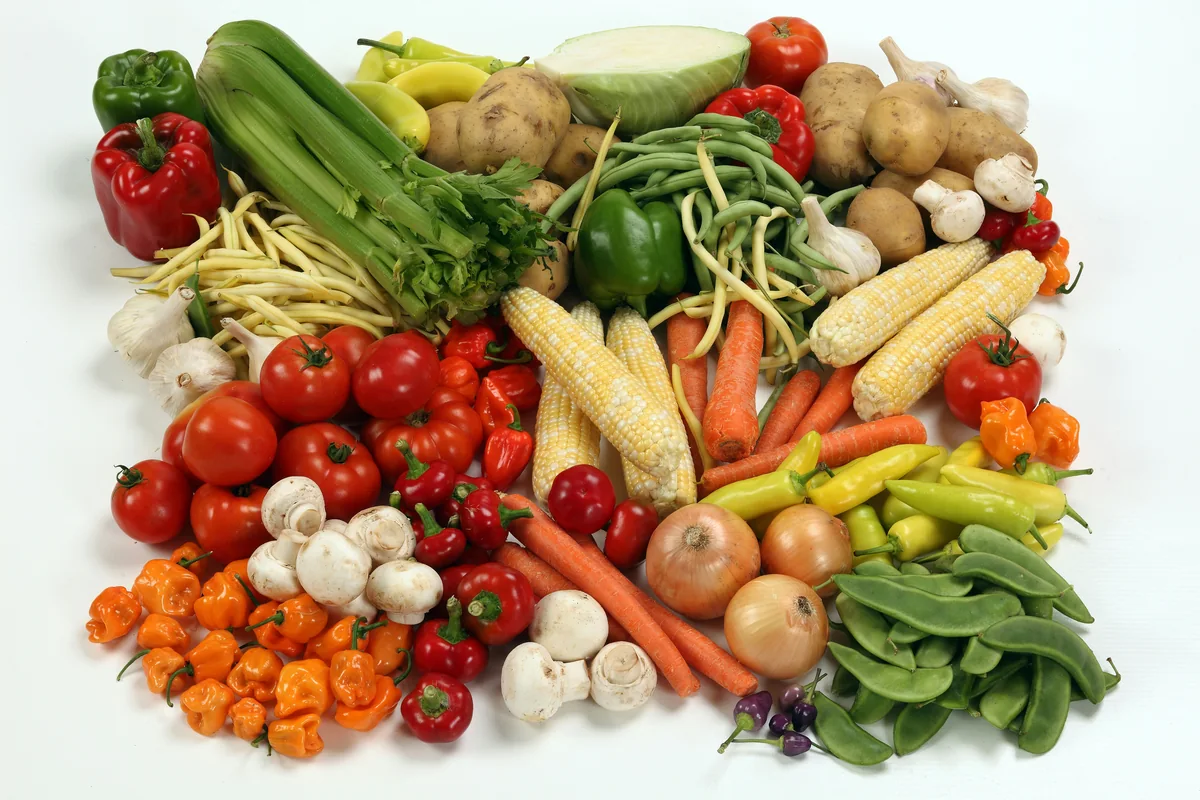
Dietary fiber from diverse plant sources is the single most evidence-backed intervention for microbiome health. The research consistently shows that people eating a wide variety of plant foods have more diverse microbiomes, and diversity is strongly associated with better health outcomes across multiple conditions including obesity, inflammatory bowel disease, and metabolic syndrome.
A practical target that has emerged from the research is 30 different plant foods per week. This includes vegetables, fruits, legumes, whole grains, nuts, seeds, herbs, and spices. Each variety contributes a slightly different fiber composition that feeds different bacterial populations, broadening the ecosystem.
Fermented foods introduce live microorganisms directly into the gut. A randomized controlled trial from Stanford published in Cell found that a high-fermented-food diet increased microbiome diversity and reduced markers of systemic inflammation, with 19 different inflammatory proteins showing decreased levels in blood samples. Notably, these effects were stronger than those seen in the high-fiber group during the same 10-week period. Yogurt, kefir, sauerkraut, kimchi, miso, tempeh, and kombucha were among the foods studied.

Regular exercise is associated with greater microbiome diversity, independent of diet. Studies comparing active individuals to sedentary controls consistently show richer microbial communities and higher short-chain fatty acid production in those who exercise regularly. The effect is particularly pronounced in studies comparing professional athletes to inactive populations, though meaningful benefits appear at moderate exercise frequencies of three to five sessions per week.
References:
- Wastyk HC, et al. (2021). Gut-microbiota-targeted diets modulate human immune status. Cell, 184(16), 4137-4153. PubMed
- Cullen JMA, et al. (2023). A systematic review on the effects of exercise on gut microbial diversity. Frontiers in Physiology, 14, 1292673. PubMed
Probiotics: What the Evidence Actually Says
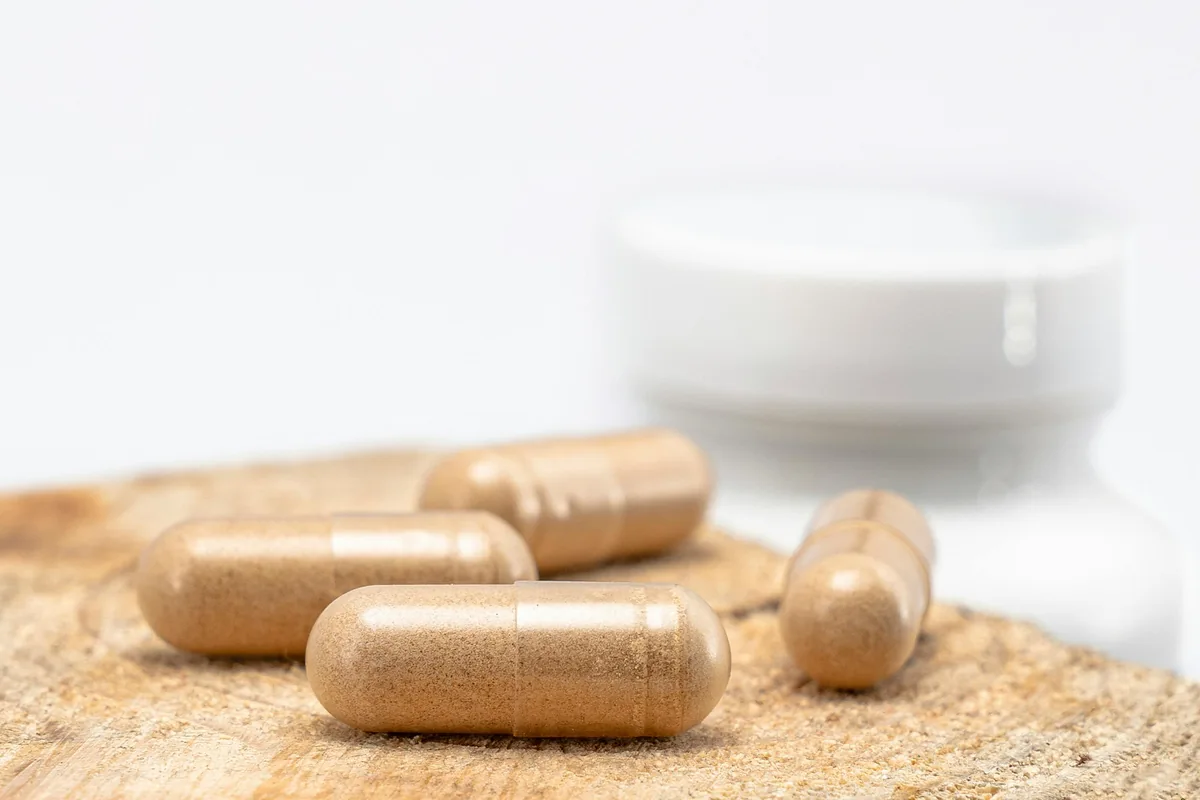
Probiotics have a well-established evidence base for specific clinical applications: reducing antibiotic-associated diarrhea, shortening the duration of infectious diarrhea, and managing certain symptoms of irritable bowel syndrome. For general gut health in otherwise healthy people, the picture is more nuanced and the marketing tends to outrun the science.
The key limitation is strain specificity. The benefits of one bacterial strain do not transfer to another. A product containing Lactobacillus rhamnosus GG may have very different effects from one containing Bifidobacterium longum, even though both are sold under the label “probiotic.” This is not a minor distinction. It means that evaluating any probiotic requires looking at research conducted with that specific strain for that specific purpose, not the category as a whole.
One area where the evidence is particularly interesting is oral health. The oral cavity has its own distinct microbiome, and disruptions to oral microbial balance are increasingly linked to systemic health outcomes, including cardiovascular disease and metabolic dysfunction. Oral-specific probiotic formulations are a newer but growing area of research.
It is worth being precise about terminology here, since the three terms get used loosely and interchangeably in marketing despite meaning distinctly different things. A probiotic is a live microorganism, the bacteria themselves. A prebiotic is not a microorganism at all; it is a fiber or compound, such as inulin, that selectively feeds the beneficial bacteria already present in the gut, functioning more like fertilizer than seed. A synbiotic combines both in a single product, pairing a specific probiotic strain with a prebiotic substrate chosen to support that exact strain’s survival and colonization. The research increasingly favors synbiotic formulations over probiotics alone, since introducing live bacteria without a food source for them to establish on tends to produce a more transient effect than pairing the two together.
🦷 The microbiome extends beyond the gut. ProDentim is a probiotic supplement specifically formulated for the oral microbiome, supporting the balance of beneficial bacteria in the mouth, an often-overlooked but clinically relevant part of overall microbial and systemic health.
Learn More About ProDentim →🌿 Berberine and gut-metabolic health. Berberine HCl 500mg has documented effects on gut microbiome composition alongside its well-known metabolic benefits for blood glucose and insulin sensitivity. Nature's Truth offers the clinically studied dose in a vegan, non-GMO formula.
Check Berberine on Amazon →🌿 Looking for a probiotic that supports both gut and skin? PrimeBiome combines Bacillus Coagulans, one of the most clinically studied probiotic strains for bloating and IBS, with prebiotics and botanical ingredients targeting the gut-skin axis. A useful option for those dealing with digestive discomfort alongside skin concerns.
Learn More About PrimeBiome →Dysbiosis: When the Balance Shifts
The term dysbiosis refers to a disruption in the composition and function of the gut microbiome, typically characterised by reduced diversity, a decline in beneficial bacteria, and an increase in potentially pathogenic species. It is not a single condition but a broad category of imbalances, each with different downstream consequences depending on which microbial populations are affected.
One of the most studied markers of dysbiosis is the ratio between two major bacterial phyla: Firmicutes and Bacteroidetes. In healthy adults, these two groups collectively account for the majority of gut bacteria, and their ratio falls within a characteristic range. In multiple conditions including obesity, type 2 diabetes, and inflammatory bowel disease, this ratio has been reported to shift, though findings are not uniform across studies and the ratio alone is not considered a reliable standalone biomarker. What is more consistently observed is reduced overall microbial diversity, measured as species richness and evenness, in people with these conditions compared to metabolically healthy controls. The Firmicutes/Bacteroidetes ratio is best understood as one signal among several, rather than a definitive diagnostic marker.
A particularly consequential consequence of sustained dysbiosis is increased intestinal permeability, commonly referred to as a leaky gut. The intestinal barrier is a single layer of epithelial cells connected by tight junction proteins that normally prevent bacteria and their byproducts from entering the bloodstream. When this barrier is compromised, lipopolysaccharide (LPS) from the cell walls of gram-negative bacteria passes through into systemic circulation. LPS is a potent activator of the innate immune system, and its chronic low-level presence in blood triggers persistent, systemic low-grade inflammation, one of the common underlying mechanisms shared by obesity, cardiovascular disease, type 2 diabetes, and certain psychiatric conditions.
This mechanism connects gut health to seemingly unrelated conditions in ways that are now well-characterised at the molecular level. The bacteria that keep the tight junctions intact, particularly butyrate-producing species such as Faecalibacterium prausnitzii and Roseburia intestinalis, are consistently depleted in states of dysbiosis. Their reduction is not incidental but causal: without sufficient butyrate to fuel the colonocytes and signal for tight junction maintenance, the barrier begins to lose integrity.
The Microbiome and Metabolic Disease
The connection between gut microbiome composition and metabolic health, particularly type 2 diabetes and insulin resistance, has moved from hypothesis to one of the most replicated findings in the field.
People with type 2 diabetes consistently show characteristic patterns of gut microbiome dysbiosis compared to metabolically healthy individuals. These include reduced abundance of butyrate-producing bacteria, increased levels of opportunistic pathogens, and an elevated presence of bacteria associated with pro-inflammatory metabolites, including trimethylamine N-oxide (TMAO). TMAO has been independently and robustly associated with cardiovascular risk in multiple large studies, and more recent research has suggested a possible link to insulin resistance, though the evidence for the latter is less established than for cardiovascular outcomes.
The mechanistic pathway runs in multiple directions. Gut-derived LPS entering the bloodstream activates toll-like receptors on immune cells, triggering the release of inflammatory cytokines that impair insulin signalling in muscle and liver. Reduced butyrate production from the dysbiotic microbiome means less signalling to L-cells in the gut to secrete GLP-1, a hormone that promotes insulin release and glucose regulation. And altered bile acid metabolism, another function of the microbiome, disrupts the signalling pathways that regulate glucose production in the liver.
What makes this clinically significant is that dysbiosis may both contribute to the development of type 2 diabetes and worsen with its progression, creating a feedback loop that accelerates metabolic deterioration. Patients with diabetes and its complications, including diabetic nephropathy, retinopathy, and neuropathy, consistently show more severe microbiome dysbiosis than those without complications.
This does not mean the microbiome causes diabetes in isolation. Genetics, lifestyle, and other metabolic factors all contribute. But it does mean that the gut microbiome is a modifiable variable in metabolic health, and that interventions targeting it, through diet, fermented foods, and selected probiotics, address a genuine pathophysiological mechanism rather than just a health trend.
References:
- Sharma S, Tripathi P. (2019). Gut microbiome and type 2 diabetes: where we are and where to go? Journal of Nutritional Biochemistry, 63, 101-108. PubMed
- Iatcu CO, Steen A, Covasa M. (2022). Gut microbiota and complications of type-2 diabetes. Nutrients, 14(1), 166. DOI
Where to Start
Supporting your microbiome does not require a dramatic overhaul or expensive supplementation. The interventions with the strongest evidence are also the most accessible.
Eat as many different plant foods as possible each week, aiming for variety rather than volume. Include fermented foods regularly. Prioritize dietary fiber from whole food sources, targeting 25 to 38 grams per day. Be cautious with antibiotics and avoid unnecessary prescriptions when alternatives exist. Manage stress, prioritize sleep, and exercise consistently. All three have direct and documented effects on microbiome composition.
What makes the gut microbiome particularly interesting from a research standpoint is its responsiveness. Dietary improvements begin shifting its composition within days. That is unusually fast for a biological system, and it means that small, consistent changes accumulate in ways that are measurable relatively quickly. The ecosystem is more dynamic than most people expect, which is both a vulnerability and an opportunity.
This responsiveness cuts both ways, and that is worth holding onto as motivation rather than discouragement. A poor week of eating measurably shifts the microbiome toward a less favorable state, but the reverse is equally true: a sustained return to fiber-rich, varied whole foods produces a measurable recovery within a similarly short window. Unlike many aspects of health that take months or years to visibly change, the gut microbiome offers a relatively fast feedback loop between behavior and biological response.
Have a question or a topic you would like covered? Leave a comment below or get in touch.