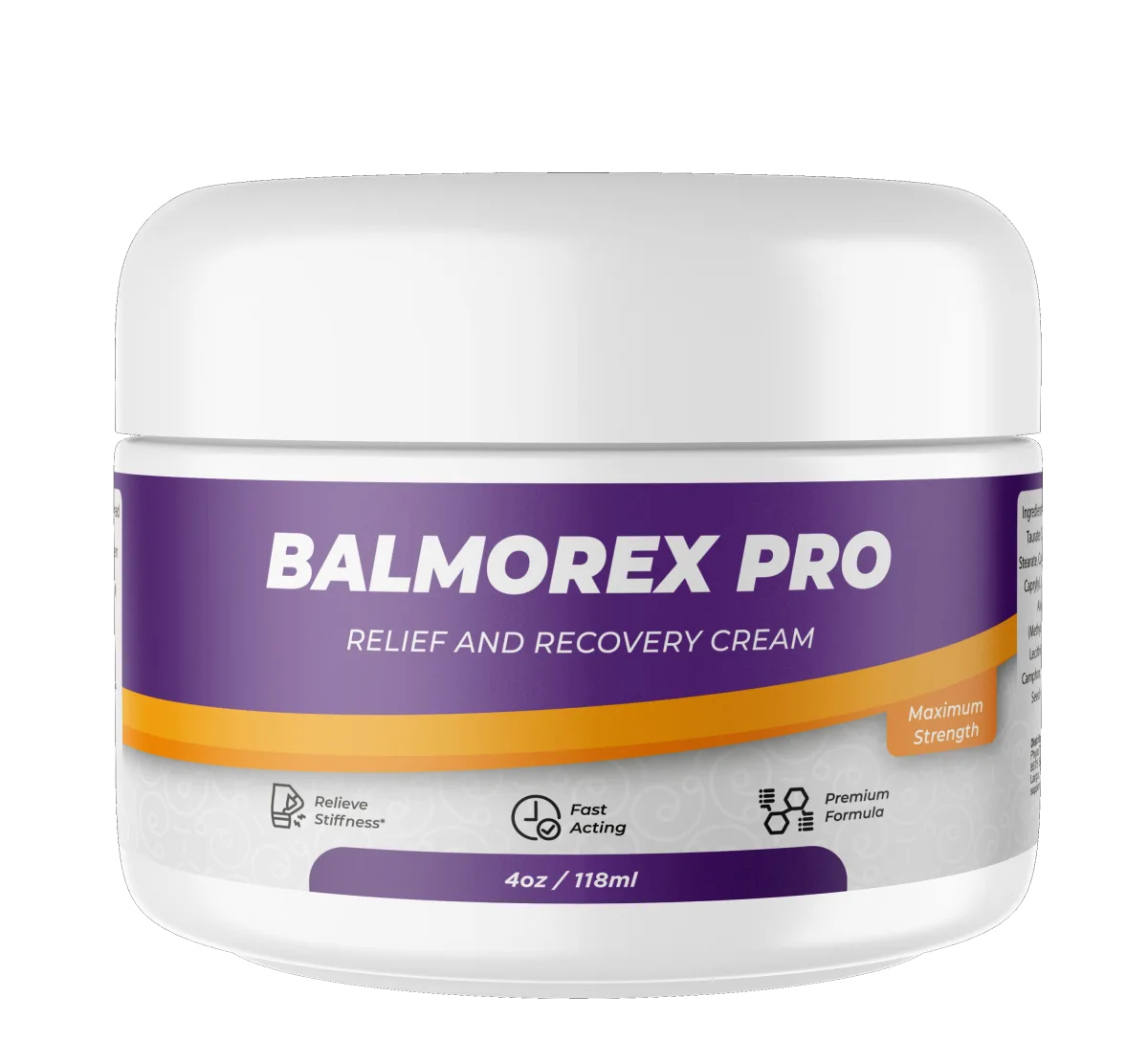
Balmorex Pro has been appearing consistently across health forums, supplement review sites, and social media in recent months, so I decided it was worth a proper, careful look. Proper means reading the actual published studies behind the ingredients, not the marketing copy, and being straight about what holds up and what does not.
What Is Balmorex Pro
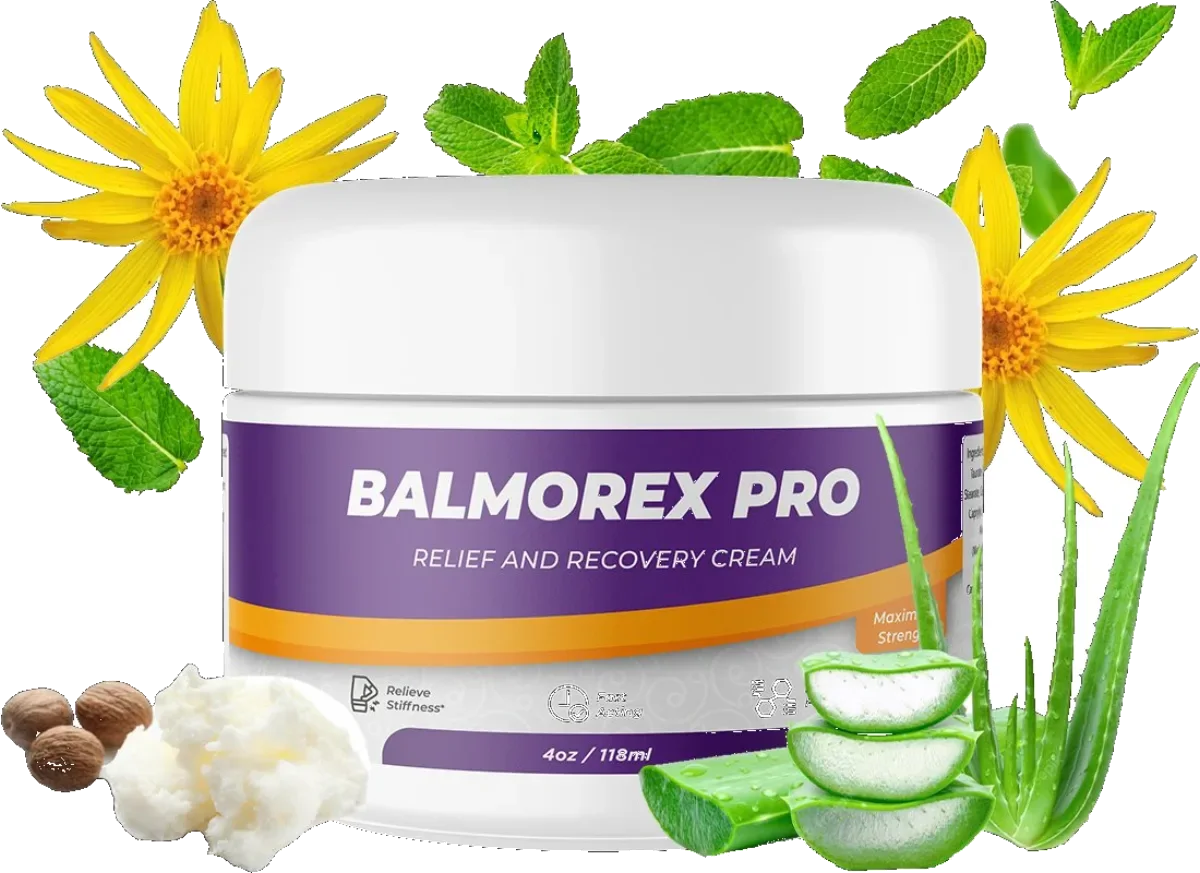
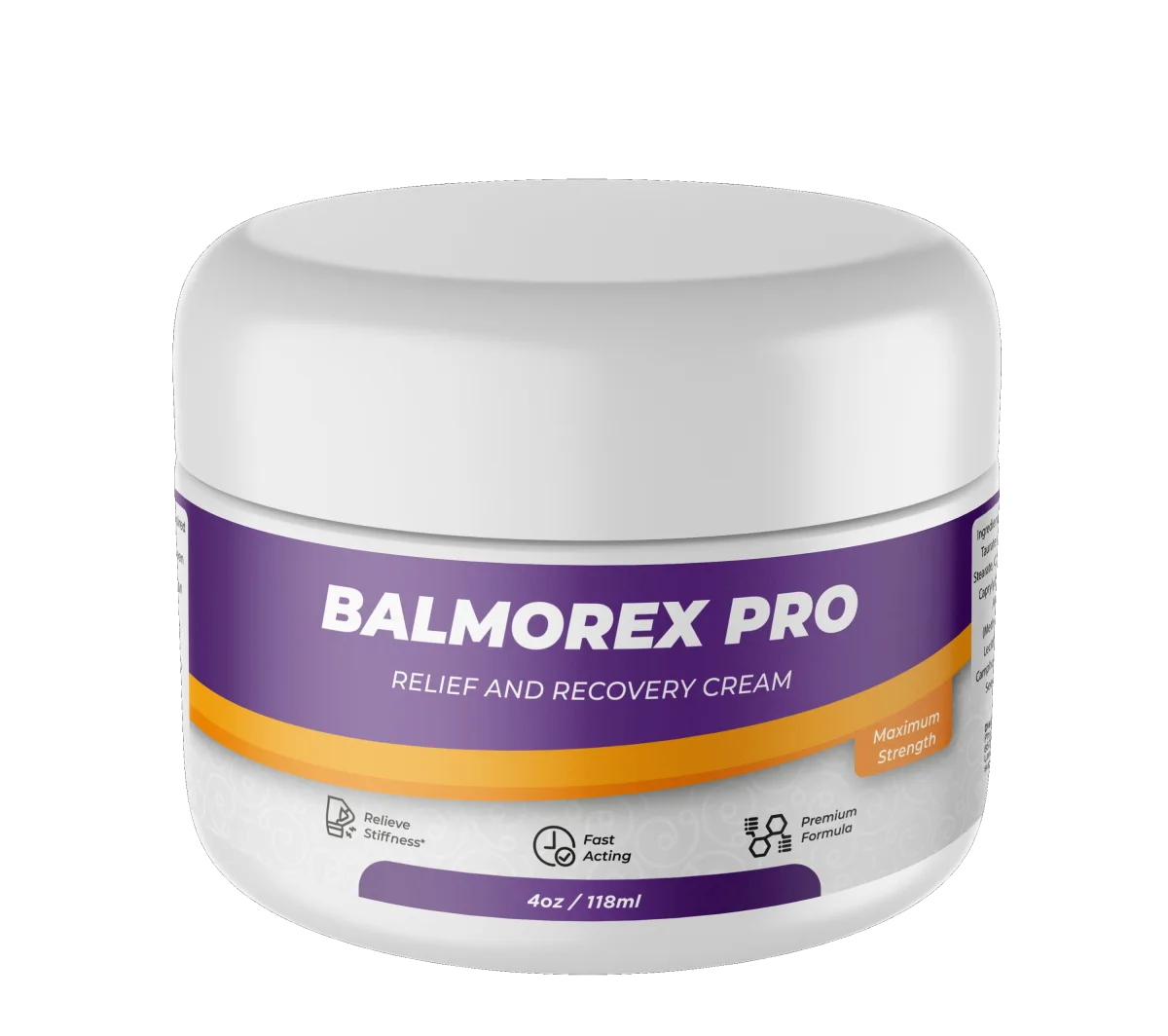
Balmorex Pro is a topical relief and recovery cream marketed for joint stiffness, muscle soreness, and back pain. Each 4oz jar contains a blend of 27 natural ingredients, with MSM, Boswellia Serrata, Hemp Seed Oil, Arnica Montana, Aloe Vera, Epsom Salt, Shea Butter, and Ginger Root listed as the core actives. The manufacturer states it is produced in an FDA-registered and USDA Organic Program-compliant facility, with no parabens, synthetic dyes, or artificial fillers.
The recommended use is a generous application massaged into the affected area two to three times daily, with the manufacturer noting that consistent use produces better results than occasional spot treatment. A small amount, roughly a dime-sized portion per application area, is sufficient to cover the skin without excess residue.
The delivery format matters here. Topical products act locally, delivering active compounds directly to the skin over the affected area. This means faster local onset and no gastrointestinal exposure compared to oral supplements. The limitation is penetration depth: topical absorption is meaningful for surface-level and periarticular tissue but diminishes for deeper joint structures. This is not a reason to dismiss topical products. It is context for understanding when they work best.
The skin itself is the primary obstacle any topical formula has to overcome. The outermost layer, the stratum corneum, is specifically built to keep substances out, which is precisely why it protects against dehydration and infection. Compounds that successfully penetrate this barrier tend to share certain traits: relatively low molecular weight, at least some lipid solubility to cross the lipid-rich outer layer, and a concentration gradient steep enough to drive diffusion inward. Carrier ingredients like shea butter and aloe vera are not just for texture; they meaningfully affect how well the active compounds actually reach living tissue rather than sitting on the skin’s surface.

Ingredient Analysis
MSM (Methylsulfonylmethane) Strong Evidence
MSM is a sulfur-containing organic compound with one of the more solid evidence bases among natural joint supplements. A 2023 randomized, double-blind, placebo-controlled trial published in Nutrients involving 88 participants found that 12 weeks of MSM supplementation significantly improved knee pain scores and overall joint quality of life compared to placebo. An earlier pivotal RCT published in Osteoarthritis and Cartilage confirmed that 6g of MSM daily reduced WOMAC pain and physical function scores over 12 weeks. Mechanistically, MSM inhibits NF-kB signaling and reduces pro-inflammatory cytokines including IL-1 beta and TNF-alpha. Most trials used oral MSM; topical bioavailability is plausible given the skin's documented permeability to sulfur compounds but remains less directly studied.
Boswellia Serrata (Indian Frankincense) Strong Evidence
Boswellia is among the most rigorously studied natural anti-inflammatories in the joint health literature. A 2024 multi-center, double-blind RCT published in Frontiers in Pharmacology found that standardized Boswellia extract produced measurable improvements in knee osteoarthritis symptoms in as few as five days of use. A 2025 clinical trial published in Pharmaceutical Research confirmed significant reductions in WOMAC pain and physician-assessed function after 90 days of supplementation. A 2025 mechanistic review confirmed that the active boswellic acids, particularly AKBA (3-acetyl-11-keto-beta-boswellic acid), inhibit COX-2, 5-lipoxygenase, and NF-kB, three of the central pathways driving chronic joint inflammation. This is one of the stronger entries in the formula with genuinely robust evidence behind it.
Hemp Seed Oil Good Topical Evidence
Hemp seed oil stands out because it has unusually strong topical-specific evidence. A 2024 randomized, double-blind, active-controlled trial published in Pain Management Nursing assigned 90 knee osteoarthritis patients to topical hemp seed oil, diclofenac gel, or placebo. The hemp seed oil group showed significant improvement in knee pain, physical function, and stiffness compared to placebo, with effects statistically comparable to diclofenac gel over two months of daily application. Hemp seed oil is rich in gamma-linolenic acid and omega-3 fatty acids, which modulate inflammatory signaling pathways, and a 2022 study in PMC identified phytol from hemp seed oil as an active anti-inflammatory agent in human monocytes and macrophages. The topical evidence here is stronger than for most botanical ingredients currently on the market.
Arnica Montana Moderate Evidence
Arnica has a long tradition in topical pain management and a reasonable clinical evidence base. A 2024 systematic review published in Plants (MDPI), covering 42 eligible studies, found consistent anti-inflammatory effects for acute muscle soreness, traumatic injuries, and surface-level joint inflammation. A 2020 double-blind RCT with 120 participants confirmed that 10% Arnica gel significantly reduced pain in acute ankle sprains over 7 days compared to placebo. The active compounds, helenalin and sesquiterpene lactones, inhibit NF-kB and reduce pro-inflammatory cytokine release. Evidence is strongest for acute and surface-level conditions. Evidence for deep chronic joint disease is thinner.
Epsom Salt (Magnesium Sulfate) Moderate Evidence
Epsom salt provides transdermal magnesium, which plays a role in muscle relaxation and neuromuscular signaling. Magnesium is an essential cofactor in over 600 enzymatic reactions and is widely used in physical therapy for post-exercise muscle tension. A 2017 pilot study published in PLoS ONE found measurable increases in serum magnesium after topical application over two weeks, supporting the plausibility of transdermal delivery. Its contribution here is primarily to muscle relaxation and comfort rather than joint inflammation directly.
Shea Butter and Aloe Vera Supportive Role
Both function primarily as delivery agents and skin-conditioning components. Shea butter contains triterpene alcohols with documented in vitro anti-inflammatory activity and contributes to the non-greasy, fast-absorbing texture that makes daily use practical. Aloe vera improves absorption of co-applied compounds, soothes the skin surface, and reduces irritation. Their independent contribution to deep-tissue pain relief is limited, but their role in formulation quality and usability is meaningful.
Ginger Root Extract Weak at Topical Dose
Ginger has real anti-inflammatory properties via oral supplementation at 1 to 3g daily. In a topical multi-ingredient formula, the concentration of any single botanical extract is almost certainly below the threshold for a clinically meaningful independent effect. Its presence here is unlikely to be a major driver of the product's performance.
References:
- Toguchi A, Noguchi N, Kanno T, Yamada A. (2023). Methylsulfonylmethane improves knee quality of life in participants with mild knee pain: a randomized, double-blind, placebo-controlled trial. Nutrients, 15(13), 2995. PubMed
- Kim LS, Axelrod LJ, Howard P, Buratovich N, Waters RF. (2006). Efficacy of methylsulfonylmethane (MSM) in osteoarthritis pain of the knee: a pilot clinical trial. Osteoarthritis and Cartilage, 14(3), 286-294. PubMed
- Majeed A, Majeed S, Satish G, Manjunatha R, Rabbani SN, Patil NVP, Mundkur L. (2024). A standardized Boswellia serrata extract shows improvements in knee osteoarthritis within five days: a double-blind, randomized, multi-center, placebo-controlled trial. Frontiers in Pharmacology, 15, 1428440. PubMed
- Vaidya N, Agarwal R, Dipankar DG, Patkar H, Ganu G, Nagore D, Godse C, Mehta A, Mehta D, Nair S. (2025). Efficacy and safety of Boswellia serrata and Apium graveolens extract against knee osteoarthritis: a randomized, double-blind, multicenter, placebo-controlled clinical trial. Pharmaceutical Research, 42(2), 249-269. SpringerLink
- Mahto K, Kuwar OK, Maloo A, Kumar A, et al. (2025). Therapeutic potential of Boswellia serrata in arthritis management: mechanistic insights into COX-2, 5-LOX, and NFkB modulation. Inflammopharmacology, 33(9), 5085-5096. PubMed
- Abbasifard M, Moosavi Z, Azimi M, Kamiab Z, Bazmandegan G, Madahian A, Raeiszadeh M. (2025). Effect of topical hemp seed oil on knee osteoarthritis: a randomized double-blind controlled trial. Pain Management Nursing, 26(1), e74-e81. PubMed
- Claro-Cala CM, Grao-Cruces E, Toscano R, Millan-Linares MC, Montserrat-de la Paz S, Martin ME. (2022). Acyclic diterpene phytol from hemp seed oil (Cannabis sativa L.) exerts anti-inflammatory activity on primary human monocytes-macrophages. Foods, 11(15), 2366. PMC
- Toma CC, Marrelli M, Puticiu M, Conforti F, Statti G. (2024). Effects of Arnica phytotherapeutic and homeopathic formulations on traumatic injuries and inflammatory conditions: a systematic review. Plants, 13(21), 3112. PubMed
- Kass L, Rosanoff A, Tanner A, Sullivan K, McAuley W, Plesset M. (2017). Effect of transdermal magnesium cream on serum and urinary magnesium levels in humans: a pilot study. PLoS ONE, 12(4), e0174817. PMC
How Long Before You Notice Anything
The published trials behind the strongest ingredients in this formula give a genuine range rather than a single number, and the range itself is informative. The Boswellia trial found measurable knee osteoarthritis improvement in as few as five days, among the fastest documented timelines for any natural anti-inflammatory in the joint health literature. The Arnica trial for acute ankle sprains showed significant pain reduction within seven days. At the slower end, the MSM trial measured its primary improvements at twelve weeks, and the hemp seed oil trial against diclofenac gel ran a full two months before reporting comparable outcomes.
This spread reflects a real biological distinction. Acute, surface-level inflammation, the kind behind a sprain or a flare of muscle soreness, responds faster because the inflammatory cascade driving it is more superficial and self-limited. Chronic joint conditions involve more entrenched inflammatory signaling and slower-turnover tissue, which is why the trials measuring those outcomes ran for months rather than days. A reasonable expectation for someone using Balmorex Pro day to day: surface and muscular relief within the first one to two weeks of consistent use, with any meaningful change in chronic joint stiffness more realistically appearing over four to twelve weeks, in line with what the underlying research on these specific ingredients actually measured.
Who Benefits Most

Balmorex Pro is most appropriate for people dealing with muscle soreness and tension from exercise or physical work, mild to moderate joint stiffness in the knees, hands, elbows, or shoulders, back and neck muscle tightness from prolonged sitting or postural strain, and post-workout inflammation during training cycles. It is also a reasonable choice for anyone who wants to avoid the gastrointestinal side effects associated with oral NSAIDs.
It is a poor fit for severe chronic pain, nerve-related symptoms, or conditions that require structural intervention such as advanced osteoarthritis or disc herniation. No topical cream resolves structural tissue damage, and any product making that claim should be treated with skepticism.
One thing worth understanding from a neuroscience standpoint: the act of massaging a topical cream into the skin activates low-threshold mechanoreceptors and can independently reduce pain perception through the gate control mechanism. This is not a reason to dismiss the product. It is part of why the real-world experience tends to be more positive than ingredient concentrations alone might suggest.
The mechanism, first proposed by Melzack and Wall in 1965, holds that touch and pressure signals travel along faster nerve fibers than pain signals do, and when both arrive at the spinal cord simultaneously, the touch signal can partially close the “gate” that pain signals use to ascend to the brain.
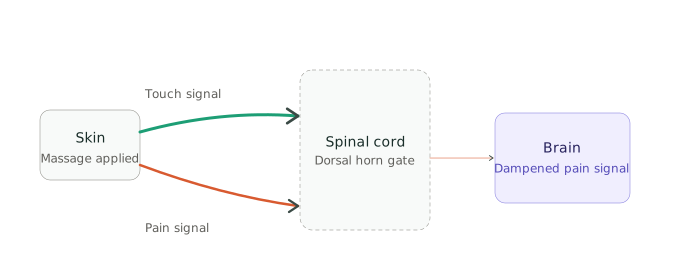
This is the same physiological principle behind why rubbing a bruised shin provides immediate, if temporary, relief, and why physical therapists incorporate massage into pain management protocols independent of any topical agent. For a product applied by rubbing it into sore muscles or stiff joints daily, this means part of the felt benefit is genuinely mechanical rather than purely chemical, which is worth knowing both to set realistic expectations and to understand that the application method itself is doing real physiological work.
References:
- Melzack R, Wall PD. (1965). Pain mechanisms: a new theory. Science, 150(3699), 971-979. PubMed
What Users Report
The reviews for Balmorex Pro are consistently positive on texture and ease of use. The non-greasy, fast-absorbing formula is one of the most frequently mentioned positives, along with the ability to use it before physical activity without leaving residue. Users who apply it consistently over several weeks tend to report better outcomes than those looking for instant pharmaceutical-level relief.
Critical feedback mostly centers on expectations. Some users compare it to prescription NSAIDs and feel the effect is more gradual. That is an accurate observation. Natural anti-inflammatory compounds generally work through a slower, cumulative mechanism rather than the acute receptor-blocking action of synthetic drugs. That is also why they tend to be better tolerated over extended daily use.
This gap between marketing tone and lived experience is worth naming directly. A product page built to convert visitors into buyers will generally lean toward language implying faster, more dramatic relief than the underlying ingredient research actually supports. The honest version, grounded in the trial data above, is that this is a reasonable daily-use topical built on legitimate anti-inflammatory botanicals, not a fast-acting analgesic comparable to a prescription cream. Reviewers who go in expecting the latter are the ones most likely to come away disappointed, while reviewers who treat it as a consistent part of a broader pain management routine tend to report the most favorable outcomes.
Product Overview
Pricing and Guarantee
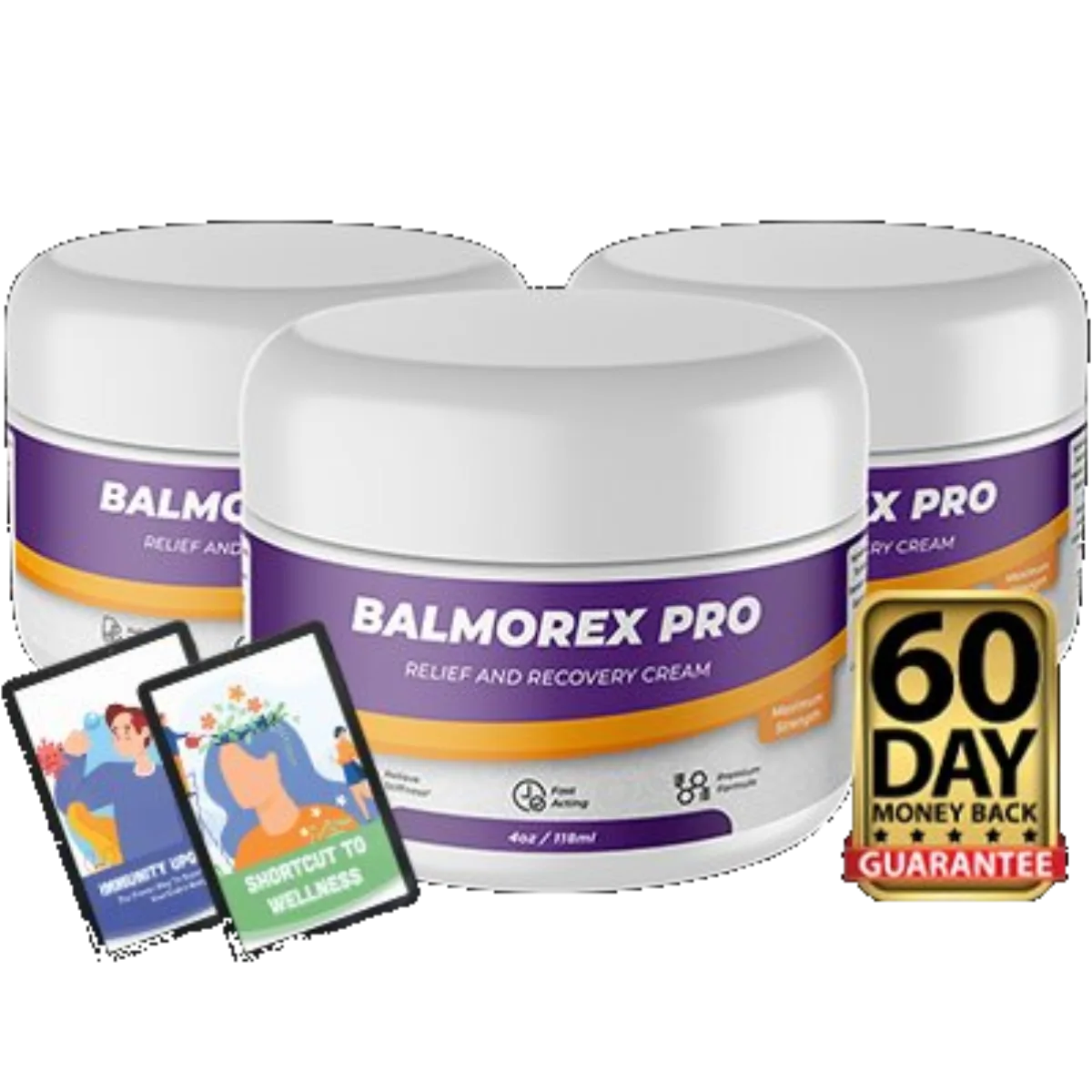
Balmorex Pro is sold exclusively through the official website. Current pricing: a single jar is $79. Three jars come to $177 total ($59 each) with free U.S. shipping and two digital bonus guides. Six jars come to $294 total ($49 each) with the same bonuses.
All orders include a 60-day full money-back guarantee. Contact is available at support@balmorex.pro or +1 (302) 200-3480.
The three-jar option makes the most practical sense for a first purchase. Topical anti-inflammatory treatments need consistent daily application over weeks to show their full effect. One jar may not be enough time to form a real opinion, and the per-jar cost reduction is meaningful.
Is It Legitimate
The product is real, the manufacturer is verifiable, the ingredients are real compounds with peer-reviewed literature behind the most important ones, and the refund policy is honored. That puts it in a different category from many supplements that rely entirely on marketing claims with no scientific basis.
What it is not is a pharmaceutical-grade pain reliever or a cure for structural joint degeneration. The marketing language is more optimistic than the clinical evidence strictly supports, which is true of most supplement products. But the underlying formula is honest and reasonably well-designed.
A useful comparison point: a buyer evaluating any topical pain product can apply the same questions outlined elsewhere on this site for evaluating health claims generally. Are the active ingredients named and dosed, or hidden behind a proprietary blend? Are the cited studies on the actual ingredient and delivery method, or borrowed from a different formulation entirely? Does the company offer a real refund window, or one with conditions that make it practically unusable? Balmorex Pro discloses its active ingredients by name, several of them have topical-specific or directly relevant oral trial data rather than borrowed claims from unrelated products, and the 60-day guarantee has no unusual restrictions attached. That combination is genuinely uncommon in this product category, where vague ingredient lists and unverifiable claims are the norm rather than the exception.
Frequently Asked Questions
Can I use Balmorex Pro alongside oral pain medication? There is no documented interaction risk between this topical formula and oral analgesics, since systemic absorption of the active ingredients is minimal. As with any new product, mention it to your doctor if you are managing a chronic condition.
Will it stain clothing or have a strong smell? The cream absorbs within a few minutes and has a mild herbal scent from the ginger and arnica content. Allowing it to absorb fully before dressing minimizes any transfer to fabric.
Can I use it on broken or irritated skin? No. Topical formulas containing essential oil compounds and arnica are intended for intact skin. Avoid application over open wounds, rashes, or recently broken skin.
Is it safe during pregnancy? Arnica and several botanical extracts in this formula lack established safety data for pregnancy. Check with your doctor before use if pregnant or breastfeeding.
How long does one jar last? At two to three applications daily, a single 4oz jar typically lasts three to four weeks depending on the surface area treated, which is part of why the multi-jar bundles align well with the 60 to 90-day evaluation window the evidence supports.
Summary
Biomedical Assessment
MSM, Boswellia, and Hemp Seed Oil each have meaningful peer-reviewed support for reducing joint inflammation and improving comfort, with the latter having unusually strong topical-specific trial data. Arnica adds moderate surface-level evidence. The formula is most appropriate for everyday muscle stiffness, mild to moderate joint discomfort, and back tension from postural strain. It is not a substitute for medical care in severe or structural conditions. The 60-day guarantee substantially reduces the financial risk of trying it.

🌿 Balmorex Pro combines MSM, Boswellia Serrata, Hemp Seed Oil, and Arnica, four ingredients with peer-reviewed clinical support for joint and muscle inflammation, in a fast-absorbing topical formula with a 60-day money-back guarantee.
Get Balmorex Pro (Official Site) →Affiliate disclosure: links in this post may earn me a commission at no cost to you. I only feature products I consider worth your attention based on their formulation and the available evidence.
This post is for informational purposes only and does not constitute medical advice. Always consult a qualified healthcare professional before starting any new product, particularly if you have underlying conditions or take medications.