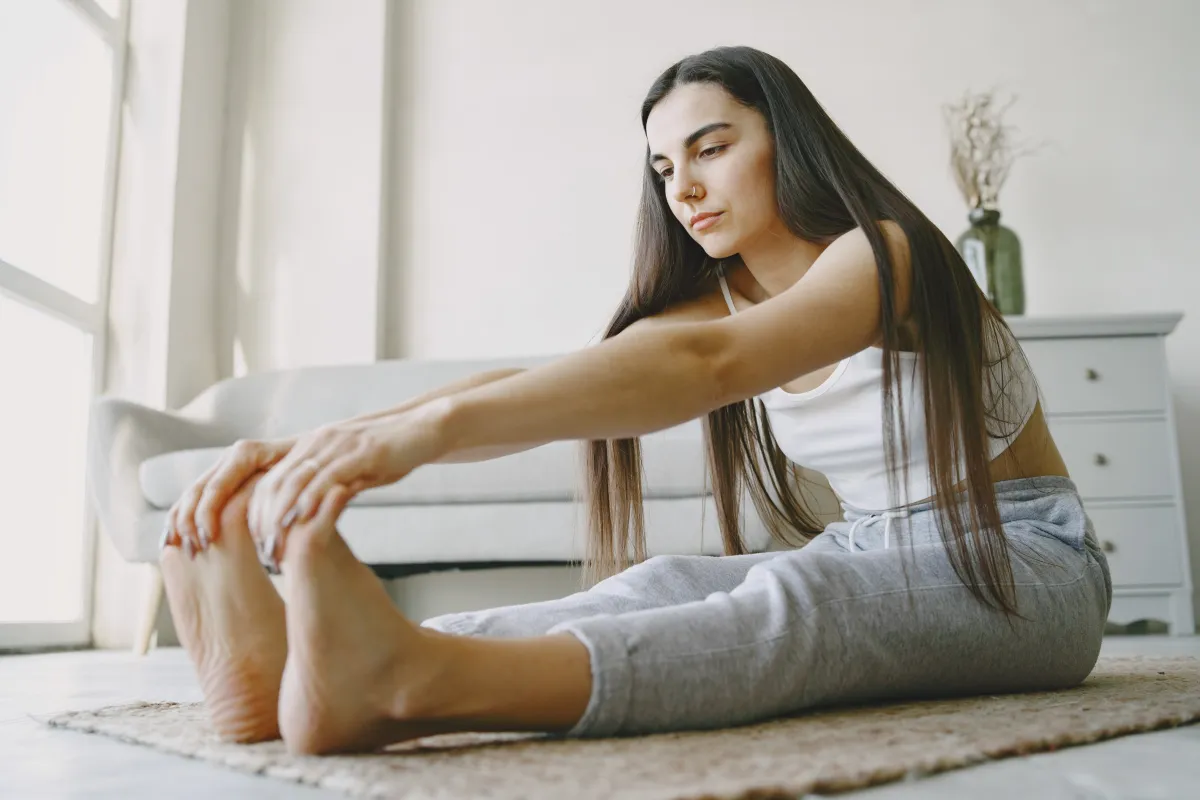
Stretching is one of the most universally recommended and least genuinely understood interventions in all of health and fitness. Most people think of it as something you do briefly before exercise to prevent injury, or something you always mean to do consistently but never quite get around to. The reality, as with most things in health, is considerably more nuanced.
This post covers what flexibility and mobility actually are at a physiological level, what the current research says about their effects on long-term health and longevity, and which specific practices have the strongest scientific evidence behind them.
Flexibility vs. Mobility: An Important Distinction
These two terms are very often used interchangeably in everyday conversation but describe genuinely different physiological things.
Flexibility refers specifically to the passive range of motion of a muscle or group of muscles, meaning how far a joint can move when an external force is applied without active muscular effort.
Mobility refers to the active, controlled range of motion you can voluntarily produce using your own muscles, meaning how far a joint can move under your own power with full control and stability throughout that range.
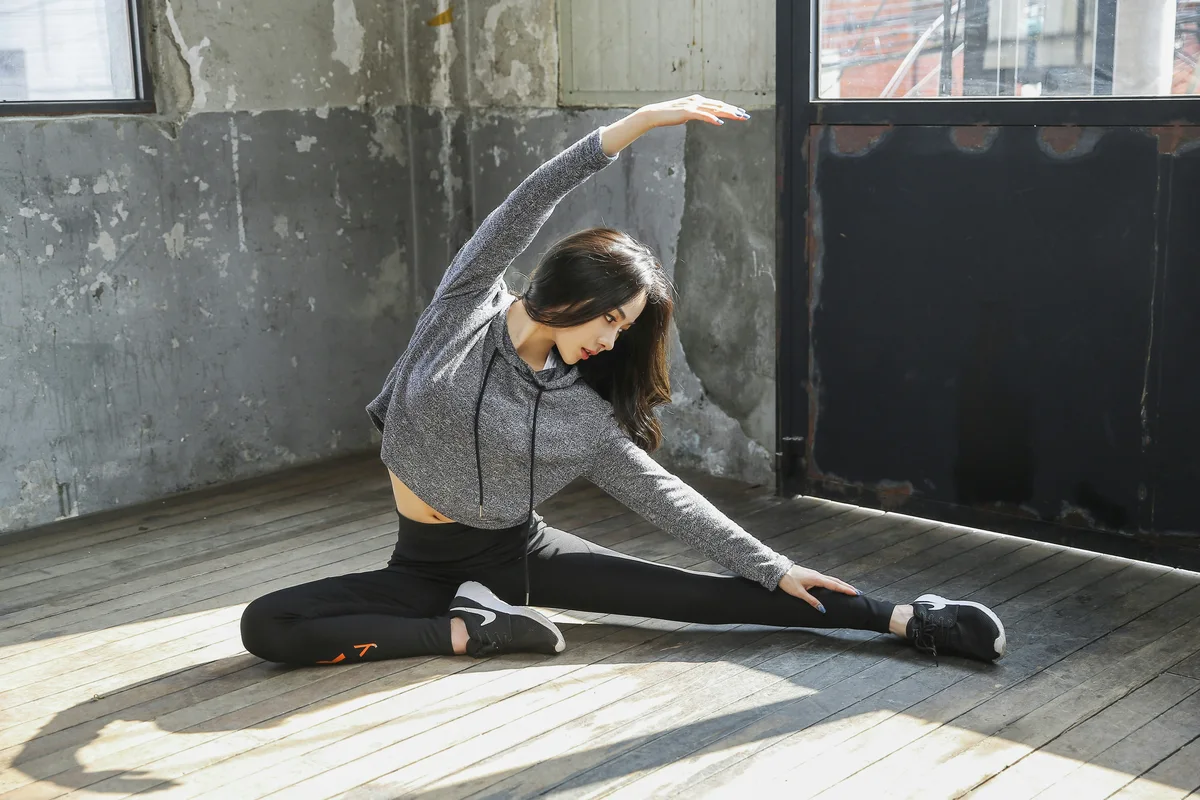
Mobility is generally the more functionally important of the two, because it determines what you can actually do with your body in real life. High flexibility without corresponding strength and control can actually increase injury risk in some contexts, because the joint moves into a range the surrounding muscles cannot adequately support.
This distinction matters most for people at the high end of the flexibility spectrum. A subset of the population has joint hypermobility, sometimes connected to underlying connective tissue differences, where joints naturally move well beyond the typical range. For these individuals, more flexibility is rarely the goal; building the strength and motor control to stabilize the range they already have is the priority, and additional passive stretching can do more harm than good. Anyone who can hyperextend their elbows or knees without trying, or who has been told their joints are unusually loose, fits this category and should weight resistance training over flexibility work specifically.
Why Mobility Declines and Why It Matters
Joint mobility naturally decreases with age, inactivity, and repetitive movement patterns. Sitting for extended periods shortens hip flexors, compresses thoracic extension, and weakens the muscles that support upright posture. This is not an inevitable consequence of aging. It is a consequence of how most people use their bodies in modern life.

The consequences extend beyond simple stiffness. Reduced hip and ankle mobility alters movement mechanics throughout the entire kinetic chain, increasing load on the knees and lower back. Poor mobility is a significant risk factor for falls in older adults, and the research connecting movement quality to mortality outcomes is more direct than most people expect.
A Brazilian cohort study published in the European Journal of Preventive Cardiology found that the ability to sit and rise from the floor without assistance was a strong and independent predictor of all-cause mortality in adults aged 51 to 80. Those who scored lowest on the sitting-rising test had a mortality rate roughly five times higher than those who scored highest, after adjusting for other risk factors. The connection between movement quality and longevity is not metaphorical. It is measurable.

References:
- Brito LB, et al. (2012). Ability to sit and rise from the floor as a predictor of all-cause mortality. European Journal of Preventive Cardiology, 21(7), 892-898. PubMed
🔄 The most cost-effective mobility tool for most people? A foam roller. Ten minutes a day produces a measurable difference in muscle tension, fascial mobility, and recovery quality. It is one of the simplest investments you can make in your physical health.
Check Foam Roller on Amazon →Static Stretching: When It Helps and When It Does Not
This is where most of the confusion lives, and where the research actually has useful things to say.
Before intense exercise: Static stretching immediately before activities requiring strength, speed, or explosiveness has been shown to acutely reduce force production and power output. A comprehensive systematic review of over 4,500 studies found that holds under 60 seconds produce no detrimental effects on performance, while holds beyond 60 seconds consistently reduce force output. For training sessions requiring strength or speed, static stretching is better reserved for afterward, or kept brief and low intensity if done as part of a warm-up.
After exercise or as a standalone practice: This is where static stretching delivers real value. The mechanism involves two processes happening in sequence. In the first 15 to 30 seconds, the muscle-tendon unit undergoes stress relaxation, a viscoelastic response where the tissue gradually yields and becomes less resistant. Beyond that point, neural adaptation takes over: the nervous system reduces its protective reflex contraction, allowing the joint to move into a greater range. Holding for 30 to 60 seconds captures both of these effects.
The neural component is worth understanding in more detail, since it explains why stretching has a learning curve rather than producing identical results every session. Muscle spindles, sensory receptors embedded within muscle fibers, detect the rate and magnitude of stretch and trigger a protective reflex contraction when stretched too quickly or too far, the same reflex a doctor tests with a knee-jerk hammer tap. Holding a stretch slowly and steadily, rather than bouncing into it, avoids triggering this reflex. At the opposite end of the muscle, Golgi tendon organs detect tension and, when sufficiently activated, trigger the opposite response: reflexive relaxation of that same muscle, a phenomenon called autogenic inhibition. Sustained static holds of 30 seconds or longer are believed to engage this mechanism, which is part of why the nervous system gradually permits a greater range of motion the longer a stretch is held, independent of any change in the tissue itself. Repeating this consistently over weeks produces structural changes at the level of the sarcomere, the basic contractile unit of muscle, which is where lasting flexibility gains actually come from.
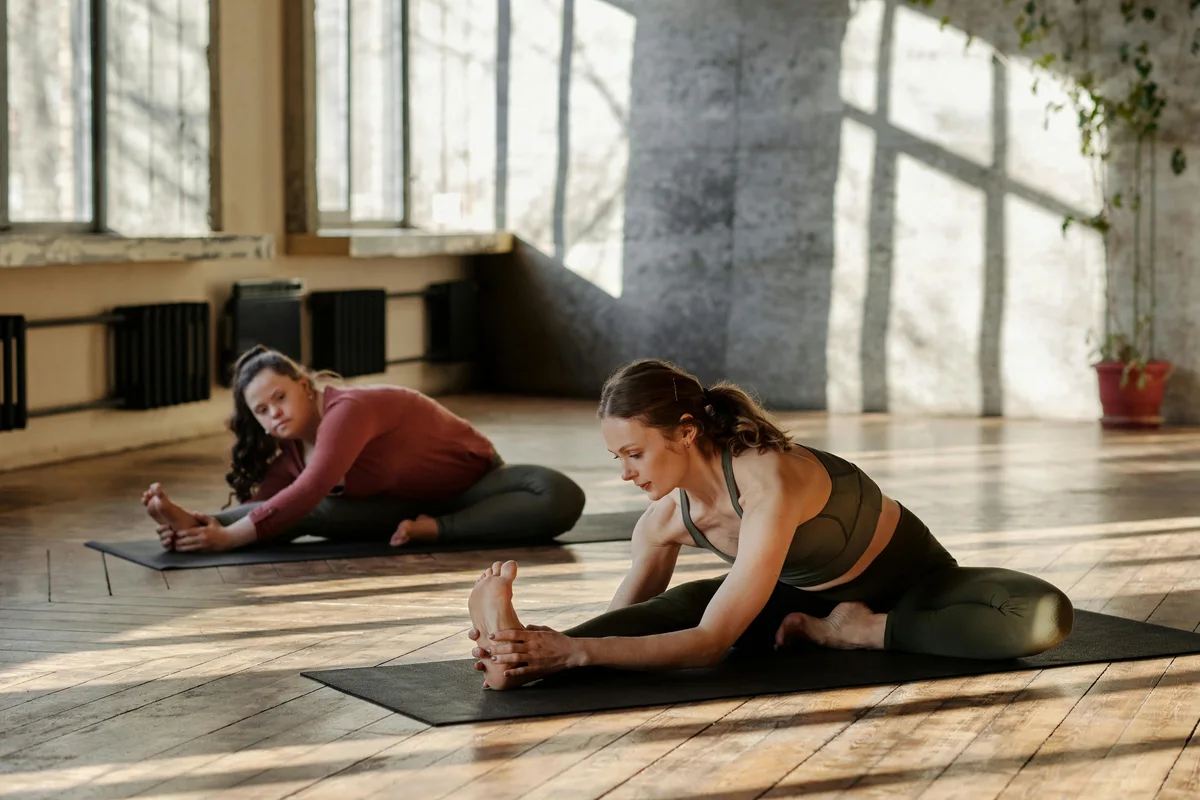
For stress and nervous system recovery: Static stretching activates the parasympathetic nervous system and produces measurable reductions in cortisol and resting muscle tension. A gentle stretching session in the evening can support sleep quality and stress recovery in ways that are underappreciated outside sports medicine circles.
References:
- Behm DG, Chaouachi A. (2011). A review of the acute effects of static and dynamic stretching on performance. European Journal of Applied Physiology, 111(11), 2633-2651. PubMed
- Kay AD, Blazevich AJ. (2012). Effect of acute static stretch on maximal muscle performance: a systematic review. Medicine and Science in Sports and Exercise, 44(1), 154-164. PubMed
Dynamic Stretching and Warm-Up
Dynamic stretching, controlled and active movement through a range of motion, is the better choice before training. Leg swings, arm circles, hip rotations, and thoracic rotations increase blood flow, raise muscle temperature, and rehearse the movement patterns relevant to the activity ahead.
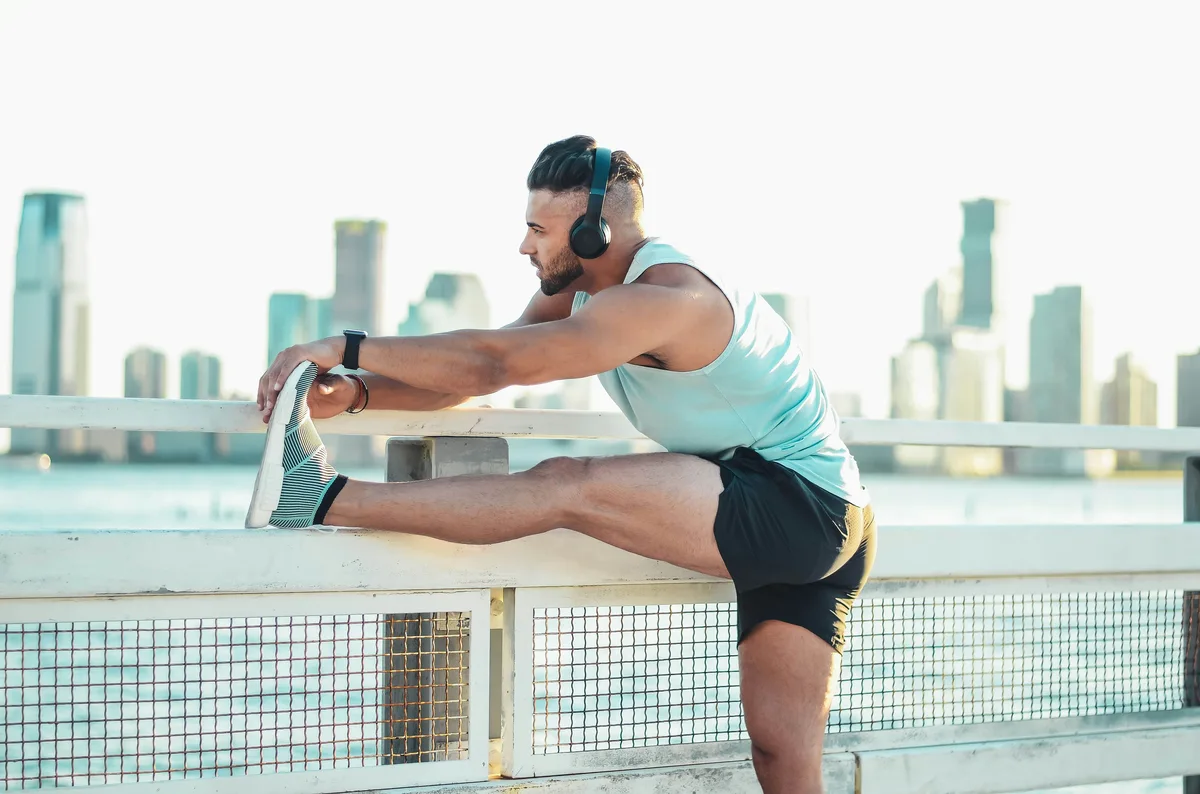
This is what the evidence supports before training sessions, not prolonged static holds. The distinction matters practically: a five-minute dynamic warm-up before running or lifting prepares the body effectively; five minutes of static stretching in the same slot may slightly reduce peak output in the session that follows.
References:
- Behm DG, Chaouachi A. (2011). A review of the acute effects of static and dynamic stretching on performance. European Journal of Applied Physiology, 111(11), 2633-2651. PubMed
Yoga, Pilates, and Mobility Training
Yoga has been shown in multiple randomized controlled trials to improve flexibility, reduce lower back pain, decrease blood pressure, and reduce markers of psychological stress. The combination of physical practice, breath control, and sustained attention appears to produce benefits that extend beyond the purely mechanical, and the reason for that is increasingly well understood.
The controlled breathing central to yoga practice, particularly slow exhalation, directly stimulates the vagus nerve, the longest cranial nerve in the body, which connects the brainstem to the heart, lungs, and gut. This vagal stimulation shifts autonomic balance toward parasympathetic dominance: heart rate slows, cortisol drops, and the inflammatory tone of the nervous system decreases. A 2018 neurophysiological review proposed that this mechanism, respiratory vagal nerve stimulation, is actually the common thread explaining the physical and mental benefits of various contemplative movement practices, from yoga to tai chi to meditation. The movement itself matters, and so does the breath that accompanies it.

Pilates emphasizes core stability, controlled movement, and postural alignment. Evidence supports its effectiveness for reducing chronic lower back pain and improving functional movement quality, particularly in people who spend long hours seated.
Many traditional movement practices, from yoga to tai chi, contain accumulated practical knowledge about how the body moves and recovers well over a lifetime. Modern exercise science is arriving at similar conclusions through different methods. That convergence is worth noting.
References:
- Wieland LS, et al. (2017). Yoga treatment for chronic non-specific low back pain. Cochrane Database of Systematic Reviews, 1, CD010671. PubMed
- Gerritsen RJS, Band GPH. (2018). Breath of Life: The Respiratory Vagal Stimulation Model of Contemplative Activity. Frontiers in Human Neuroscience, 12, 397. PubMed
Foam Rolling and Myofascial Release: What the Evidence Says
Self-myofascial release using a foam roller has become one of the most widely adopted recovery and mobility tools in both athletic and general fitness contexts, and the evidence base behind it has grown substantially over the past decade.
A 2015 systematic review published in the International Journal of Sports Physical Therapy examined the evidence on foam rolling for joint range of motion, muscle recovery, and performance. The review found consistent evidence that foam rolling applied before activity increases joint range of motion acutely without the performance decrements associated with static stretching. Applied after training, it reduces delayed onset muscle soreness (DOMS) and accelerates the recovery of force production capacity.
A 2019 systematic review of the literature on optimal duration found that sessions of at least 60 to 120 seconds per muscle group are needed to produce meaningful acute increases in range of motion, with diminishing returns beyond that duration. Very brief applications of 10 to 20 seconds produce minimal benefit, which explains why people who incorporate foam rolling superficially often fail to notice any effect.
The proposed mechanisms include direct mechanical deformation of the fascia, increased local blood flow, and modulation of the autonomic nervous system through pressure receptor activation. The relative contribution of each mechanism remains debated, but the functional outcomes, improved range of motion, reduced post-exercise soreness, and maintained performance, are reproducible across multiple independent studies.
For general mobility work, the most evidence-supported application is rolling the thoracic spine, hip flexors, quadriceps, and calf complex for 60 to 90 seconds per area before dynamic warm-up. For recovery, the same areas rolled after training reduce the subjective intensity and duration of DOMS in subsequent days. Rolling should produce mild to moderate discomfort, not sharp or acute pain, and should be avoided directly over joints or areas of acute injury.
References:
- Cheatham SW, Kolber MJ, Cain M, Lee M. (2015). The effects of self-myofascial release using a foam roll or roller massager on joint range of motion, muscle recovery, and performance: a systematic review. International Journal of Sports Physical Therapy, 10(6), 827-838. PubMed
- Hughes GA, Ramer LM. (2019). Duration of myofascial rolling for optimal recovery, range of motion, and performance: a systematic review of the literature. International Journal of Sports Physical Therapy, 14(6), 845-859. PubMed
The Thoracic Spine: The Most Neglected Area
Most people stretch their hamstrings and calves because they feel tight. Far fewer pay attention to thoracic mobility, the mid and upper back, which is among the most commonly restricted regions in people who sit at desks or look at screens for extended periods.

Restricted thoracic extension forces the lumbar spine and cervical spine to compensate, which is a significant driver of both lower back pain and neck tension. Five minutes a day of targeted thoracic mobility work, including cat-cow movements, thoracic rotations, and foam roller extensions over the mid-back, produces meaningful improvements in posture and pain over weeks.
The compensation pattern is worth understanding because it explains why stretching the wrong area often fails to resolve a symptom. The thoracic spine is naturally less mobile than the cervical and lumbar regions due to the rib cage’s stabilizing attachment, but when it becomes excessively stiff from prolonged sitting, the more mobile segments above and below have to move further than they normally would to compensate for movements like reaching overhead or rotating to look behind you. This is part of why someone with chronic neck pain may get limited relief from stretching the neck directly: the neck is often working overtime to compensate for a thoracic spine that has stopped contributing its share of the movement. Addressing the actual restricted segment, rather than the area where the pain is felt, is frequently the more effective approach.
References:
- Joshi S, Balthillaya G, Neelapala YVR. (2019). Thoracic posture and mobility in mechanical neck pain population: a review of the literature. Asian Spine Journal, 13(5), 849-860. PubMed
A Daily Routine You Can Follow Along
The most consistent predictor of long-term mobility improvement is practice frequency, not session duration. Ten minutes done daily produces more adaptation over months than an hour done occasionally. The following video by Yoga With Adriene, one of the most widely trusted movement channels for people at all fitness levels, provides a practical 10-minute full-body stretch routine that directly complements the movement patterns covered in this post.
Practical Recommendations
Daily mobility work: 10 to 15 minutes of targeted mobility exercises done consistently produces meaningful improvements in joint health and movement quality over weeks. Prioritize hip circles, thoracic rotations, ankle mobility, and controlled shoulder movements. Consistency matters far more than duration per session.
Post-exercise stretching: After training sessions, 5 to 10 minutes of static stretching targeting the muscles worked supports recovery and gradually improves flexibility over time. This is the window where static stretching is both appropriate and effective.
Consistency over intensity: Gentle daily practice produces better long-term results than occasional aggressive stretching. This is one of the clearest patterns in the flexibility literature, and it aligns with what most traditional movement practices have long emphasized. The goal is progressive adaptation, not acute discomfort.
🦴 Persistent joint or muscle pain limiting your mobility? Balmorex Pro is a topical cream formulated with evidence-backed botanical ingredients for joint, back, and muscle relief, including MSM, Boswellia, and arnica. It supports the ability to move and recover without systemic side effects.
Get Balmorex Pro → Read the full review🔄 Resistance bands are one of the most versatile tools for active mobility work. They allow controlled loading through full ranges of motion, making them ideal for both warm-up sequences and targeted joint mobility exercises at home or while traveling.
Check Resistance Bands on Amazon → Foam Roller on AmazonHave a question or a topic you would like covered? Leave a comment below or get in touch.