
“Boost your immune system” is one of the most common and persistent phrases in wellness marketing, and also one of the most biologically misleading. Your immune system is not an engine you can simply turn up. It is a precisely calibrated network of cells, proteins, and signaling molecules that must remain in a state of dynamic balance.
An immune system that is too active causes autoimmune disease. One that is too suppressed leaves you genuinely vulnerable to infection. The goal is not boosting anything. It is supporting optimal function and reducing the chronic inflammation that quietly undermines it over time.
How the Immune System Actually Works
The immune system operates through two main branches that work in sequence.
The innate immune system is your first line of defense: rapid, non-specific, and always actively on alert. Natural killer cells, neutrophils, and macrophages recognize general patterns associated with pathogens or damaged tissue and respond immediately with inflammation. As a researcher who has published on neutrophil biology, I find this branch particularly fascinating. The neutrophil nucleus itself plays a structural role in how these cells squeeze through blood vessel walls to reach sites of infection, a mechanism that took decades to properly understand.
The adaptive immune system is considerably slower but surgically precise in its execution. T cells and B cells recognize specific molecular signatures, mount targeted responses, and form lasting immunological memory. This is how vaccines actually work, and why most infections only occur once in their original, unmutated form.
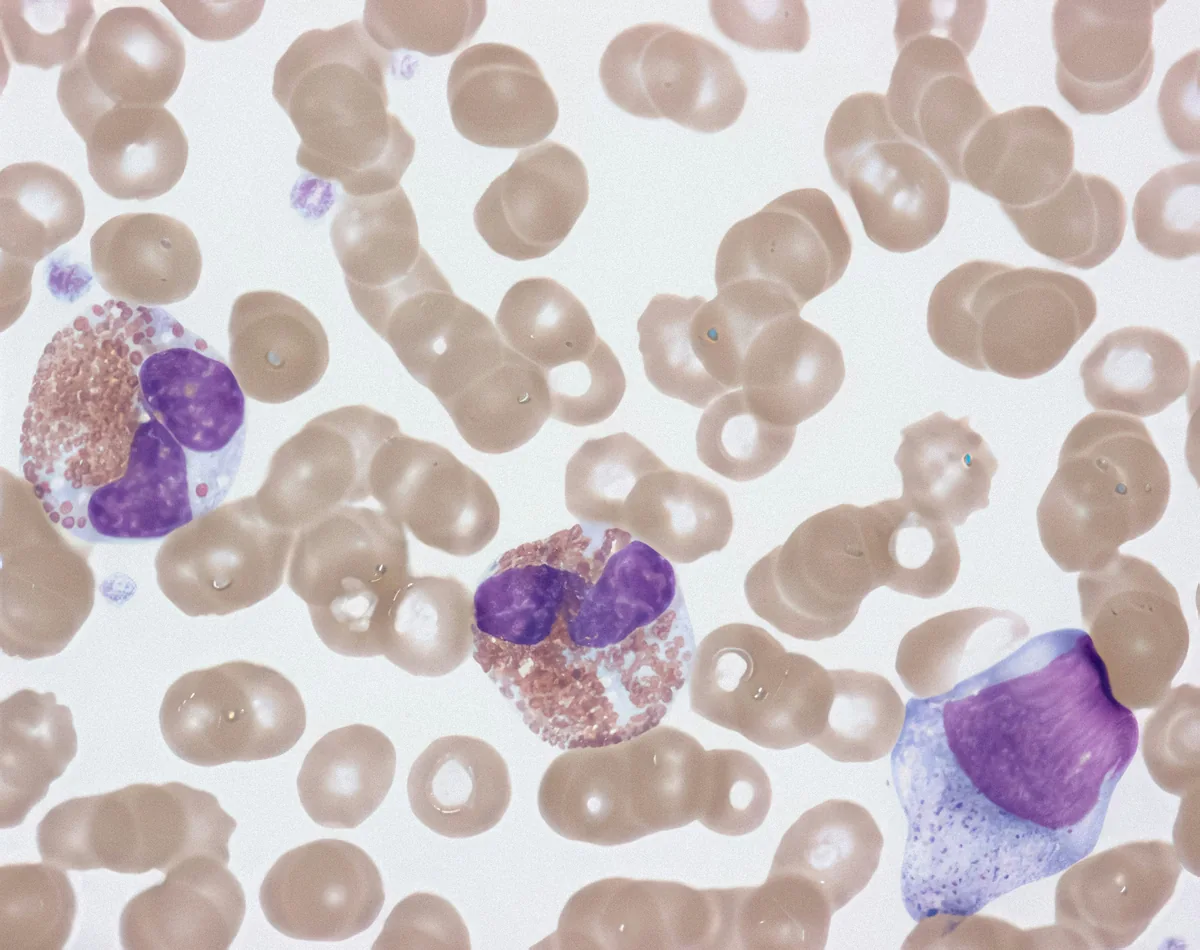
Chronic low-grade inflammation, now recognized as a central driver of cardiovascular disease, diabetes, cancer, and neurodegeneration, represents a state in which the innate immune system stays persistently activated without fully resolving. This chronic activation exhausts immune resources and progressively impairs the adaptive response. Most people carrying this type of inflammation have no idea, because it produces no obvious symptoms until something more serious develops.
Fever is worth understanding on its own, since it is one of the most misunderstood immune responses and one people are often eager to suppress immediately rather than let run its course. Fever is not a malfunction. It is an actively regulated response, coordinated by the hypothalamus in reaction to pyrogens released by immune cells, that raises core body temperature within a tightly controlled range. The elevated temperature directly impairs the replication of many pathogens, which thrive within a narrow temperature window, while simultaneously enhancing several immune functions, including faster neutrophil migration and improved antigen presentation by dendritic cells. Reflexively suppressing every fever with medication, particularly a mild one in an otherwise healthy adult, can in some circumstances slow the resolution of the underlying infection, though this needs to be weighed against comfort and the genuine risks of very high fevers in vulnerable populations such as young children and the elderly.
Chronic Inflammation: Why It Matters More Than Acute Illness
Most people think about immune function purely in terms of acute illness: catching a cold, fighting off a flu, recovering from an infection. These visible battles are the ones that drive supplement sales. But the more consequential threat is the invisible one.
Chronic low-grade inflammation operates below the threshold of symptoms for years or decades. The immune system remains in a partially activated state, producing cytokines and other inflammatory mediators that slowly damage blood vessel walls, impair insulin signaling, disrupt neuronal function, and promote cellular mutations. By the time a cardiovascular event, a diabetes diagnosis, or a cancer appears, the inflammatory groundwork has often been laid over a very long time.
The primary drivers of chronic inflammation are not infections. They are lifestyle factors: poor sleep, sedentary behavior, excess visceral fat, ultra-processed food consumption, chronic psychological stress, and smoking. Each of these activates NF-kB, the master regulatory switch for inflammation, through slightly different pathways but with the same downstream result: persistent signaling that the immune system should stay on alert.
This framing matters because it shifts the target. The question is not just “how do I avoid getting sick this winter?” It is “what is my chronic inflammatory state doing to my biology over decades?” The interventions that address this question overlap considerably with the ones that support acute immune function, but the urgency and the reasoning are different.
What Actually Supports Immune Function
Vitamin D functions as a hormone, not a simple vitamin, with receptors on virtually every immune cell type. Deficiency impairs both innate and adaptive immunity and is associated with increased susceptibility to respiratory infections. An estimated 1 billion people worldwide are deficient, many without knowing it. The vitamin D receptor is expressed in B cells, T cells, macrophages, and dendritic cells, meaning that adequate status touches nearly every layer of the immune response simultaneously.
Omega-3 fatty acids (EPA and DHA) are incorporated into cell membranes throughout the immune system and serve as precursors to specialized pro-resolving mediators, signaling molecules that actively switch off inflammation once a threat has been neutralized. Adequate intake is consistently associated with reduced markers of chronic inflammation across independent research groups.

Sleep is when the immune system performs much of its maintenance and memory consolidation. Chronic sleep deprivation reduces natural killer cell activity, impairs antibody responses to vaccines, and significantly increases susceptibility to infection. Studies exposing volunteers to rhinovirus have shown that those sleeping less than 6 hours per night were 4 times more likely to develop a cold than those sleeping 7 or more hours. This is one of the most robust dose-response relationships in immune research.
Exercise at moderate intensity enhances immune surveillance, improves the circulation of immune cells throughout the body, and reduces chronic inflammation over time. Both too little and too much exercise impair immunity, following a well-documented inverted-U pattern. Consistent moderate activity, such as brisk walking, cycling, or swimming at 3 to 5 sessions per week, appears to hit the optimal range for most people.

Stress management matters because chronic cortisol elevation suppresses immune function and promotes pro-inflammatory signaling. Immune cells carry glucocorticoid receptors that respond directly to cortisol; brief exposure modulates immune activity usefully, but sustained exposure desensitizes these receptors over time, blunting the immune system’s ability to properly regulate inflammation when it is actually needed. The physiological link between psychological stress and infection susceptibility is well established across decades of research. Acute stress (the kind that resolves) can actually transiently enhance certain immune functions. It is the chronic, unresolved kind that does the damage.
Gut microbiome health is central to immune function in ways that most people have not yet fully appreciated. Approximately 70% of immune cells reside in or adjacent to the gut. A diverse, well-nourished microbiome actively trains and calibrates these cells throughout life. Disruptions to the microbiome consistently show up as disruptions to immune regulation.
The mechanism behind this connection runs largely through short-chain fatty acids, particularly butyrate, produced when gut bacteria ferment dietary fiber. Butyrate serves as the primary fuel source for the cells lining the colon, but it also directly signals immune cells, promoting the development of regulatory T cells that keep inflammatory responses appropriately restrained rather than overactive. A microbiome depleted of fiber-fermenting bacteria, which happens readily on a diet low in plant fiber, produces less butyrate, and the downstream effect is an immune system with a weaker braking mechanism on inflammation. This is one of the more concrete biochemical links between something as simple as dietary fiber intake and something as broad as systemic immune regulation.
🦷 The microbiome begins in your mouth. ProDentim is a probiotic formulated specifically for the oral microbiome, supporting the bacterial balance that connects oral health to systemic immune function. The mouth is the entry point for most pathogens, and its microbial environment is more clinically relevant to immunity than most people realize.
Learn More About ProDentim →🌿 Supporting gut microbiome diversity? PrimeBiome combines Bacillus Coagulans, a clinically studied probiotic strain, with inulin (prebiotic) and anti-inflammatory botanicals to support microbiome balance. Given that approximately 70% of immune cells reside in the gut, a well-supported microbiome is one of the more practical immune interventions available.
Learn More About PrimeBiome →References:
- Gombart AF, Pierre A, Maggini S. (2020). A review of micronutrients and the immune system: working in harmony to reduce the risk of infection. Nutrients, 12(1), 236. PubMed
- Besedovsky L, Lange T, Haack M. (2019). The sleep-immune crosstalk in health and disease. Physiological Reviews, 99(3), 1325-1380. PubMed
- Nieman DC, Wentz LM. (2019). The compelling link between physical activity and the body’s defense system. Journal of Sport and Health Science, 8(3), 201-217. PubMed
- Bikle DD. (2022). Vitamin D regulation of immune function. Current Osteoporosis Reports, 20(3), 186-193. PubMed
☀️ Vitamin D deficiency is extraordinarily common, affecting an estimated 1 billion people globally. Combined with K2, it supports immune function, bone health, and cardiovascular protection throughout life.
Vitamin D3 + K2 on Amazon → Omega-3 on AmazonZinc: The Overlooked Immune Mineral
Zinc deserves a dedicated mention because it is both critically important for immune function and frequently deficient in modern diets, particularly in populations that rely heavily on plant-based foods without adequate variety.
Zinc is required for the development and activation of T cells and natural killer cells. It regulates the production and signaling of cytokines, the messenger proteins that coordinate the immune response. Zinc deficiency impairs virtually every measurable parameter of immune function, including thymic function (where T cells mature), phagocytic capacity of macrophages, and antibody production by B cells.
The evidence for zinc’s role in shortening the duration of cold illness, when taken as a lozenge within 24 hours of symptom onset, is among the more consistent findings in supplement research. The mechanism appears to involve direct inhibition of rhinovirus replication in the nasal mucosa, a local effect rather than a systemic immune boost. This distinction matters because it explains why zinc capsules taken with food (which reduces bioavailability and prevents direct mucosal contact) show weaker effects in trials than zinc acetate lozenges dissolving slowly in the throat.
Good dietary sources include red meat, shellfish (particularly oysters), pumpkin seeds, legumes, and whole grains. Vegetarians and vegans face higher deficiency risk because plant-based zinc is less bioavailable due to phytic acid binding. For those with limited animal product intake, a low-dose supplement (8 to 11 mg per day, not exceeding the tolerable upper limit of 40 mg) is worth considering.
Aging and the Immune System
The immune system does not simply decline uniformly with age. What happens is more specific and more paradoxical: the capacity to respond to new threats diminishes while chronic low-grade inflammation simultaneously increases. This dual phenomenon has been named immunosenescence (the insufficiency side) and inflammaging (the over-reaction side), and it is central to understanding why older adults are more vulnerable to infection, less responsive to vaccines, and more prone to developing cancer and autoimmune conditions.
The primary driver of these changes in the adaptive immune system is involution of the thymus, the gland responsible for producing and maturing T lymphocytes. The thymus begins shrinking after puberty and is largely replaced by fatty tissue by the sixth decade of life. As thymic output of naive T cells declines, the immune system becomes increasingly dominated by memory T cells accumulated from past exposures, with diminishing capacity to mount effective responses against novel pathogens or mutated cells. This narrowing of the T cell repertoire, combined with the chronic inflammation produced by senescent cells releasing pro-inflammatory signals, accelerates biological aging across multiple organ systems.
The practical consequences are real. Older adults generate weaker antibody responses to vaccines, take longer to clear infections, and show reduced capacity to distinguish self from non-self, which contributes to increased autoimmune activity. Inflammaging, the term coined by researchers to describe the chronic low-grade inflammatory state that develops with age, creates a background of persistent immune activation that further blunts adaptive responses.
This does not mean immune decline is inevitable or uniform. The factors that accelerate immunosenescence, including chronic stress, physical inactivity, poor diet, obesity, smoking, and sleep deprivation, are largely the same factors discussed throughout this article. People who maintain healthy lifestyle habits into older age consistently show immune profiles that look years younger on measurable biomarkers. The intervention is not a supplement. It is the same evidence-based foundation: sleep, movement, diet quality, and stress management, applied consistently over decades.
What the Evidence Does Not Support
This is where the marketing gets ahead of the biology.
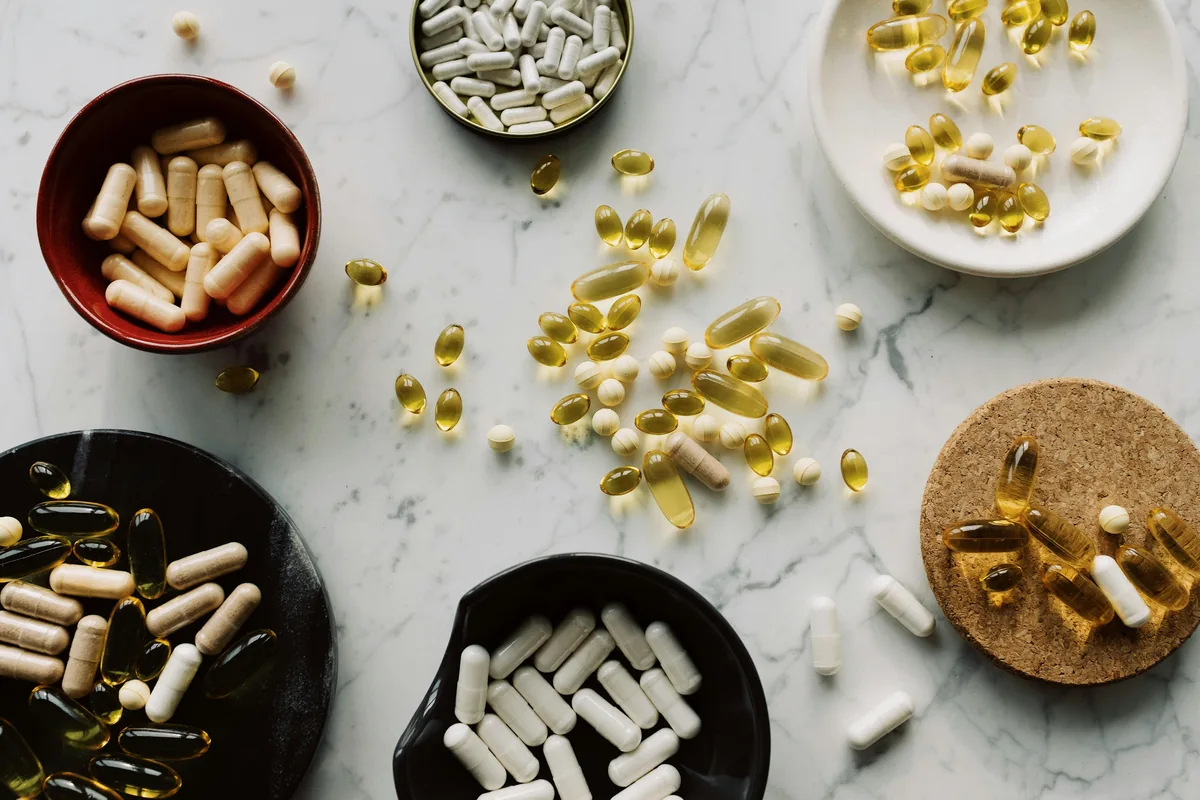
Megadose vitamin C does not prevent colds in the general population. It may modestly reduce duration in some groups (athletes under heavy training load being the most consistently studied), but the effect is small and requires sustained high doses. The landmark Linus Pauling claims from the 1970s have not held up across subsequent controlled trials.
Echinacea has genuinely mixed evidence. Multiple systematic reviews have found inconsistent results across different preparations, doses, and populations. The variation between commercial products is large enough that studies on one preparation tell you little about another.
Most “immune support” supplements rely on in vitro data, meaning results from cell cultures, that do not reliably translate to meaningful effects in living humans. A compound that stimulates immune cells in a petri dish may do nothing measurable in the complex, regulated environment of a functioning immune system. This gap between cell culture findings and clinical outcomes is one of the most consistent sources of overstated health claims.
None of this means these interventions are necessarily harmful. It means the evidence does not support the marketing claims made for them, and spending money on them while neglecting the fundamentals is a poor trade.
What to Actually Focus On
The interventions with the strongest evidence for immune function are also the most foundational, and the most frequently underestimated because they are not sold in a bottle.
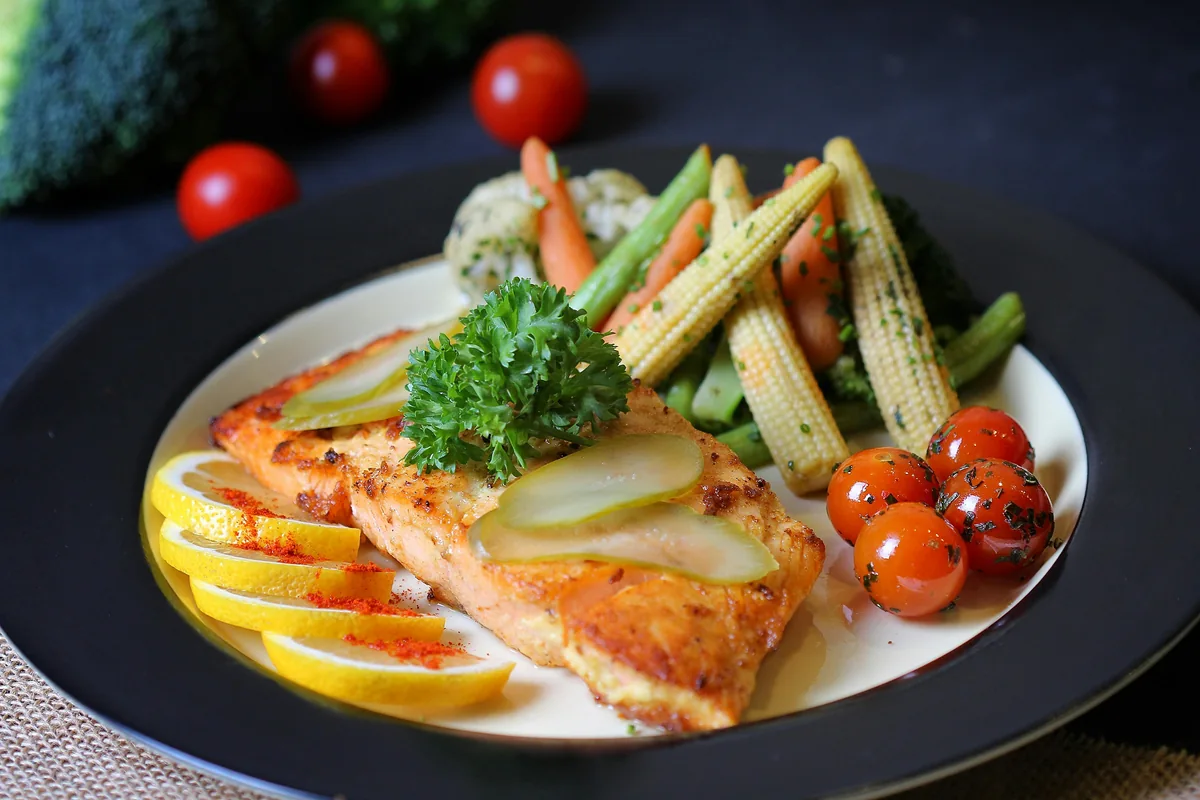
Get adequate sleep consistently, 7 to 9 hours for most adults, without negotiating it down as a lifestyle choice. Exercise regularly at moderate intensity. Eat a diverse, plant-rich diet with adequate protein and fatty fish. Manage chronic stress through whatever method actually works for you, because the mechanism matters less than the consistency. Correct documented deficiencies, particularly vitamin D and zinc, with blood work rather than guesswork. Support your gut microbiome with fiber and fermented foods. Avoid smoking and limit alcohol, both of which directly impair immune function through well-characterized mechanisms.
The evidence base behind these recommendations spans decades and dozens of independent research groups working in different countries on different populations. That convergence is exactly what makes it trustworthy, and exactly why it tends to be less exciting than the latest supplement launch.
References:
- Thomas R, Wang W, Su DM. (2020). Contributions of age-related thymic involution to immunosenescence and inflammaging. Immunity and Ageing, 17, 2. PubMed
- Hemilä H, Chalker E. (2013). Vitamin C for preventing and treating the common cold. Cochrane Database of Systematic Reviews, 1. PubMed
- Hemilä H. (2017). Zinc lozenges and the common cold: a meta-analysis comparing zinc acetate and zinc gluconate, and the role of zinc dosage. JRSM Open, 8(5). PubMed
Have a question or a topic you would like covered? Leave a comment below or get in touch.